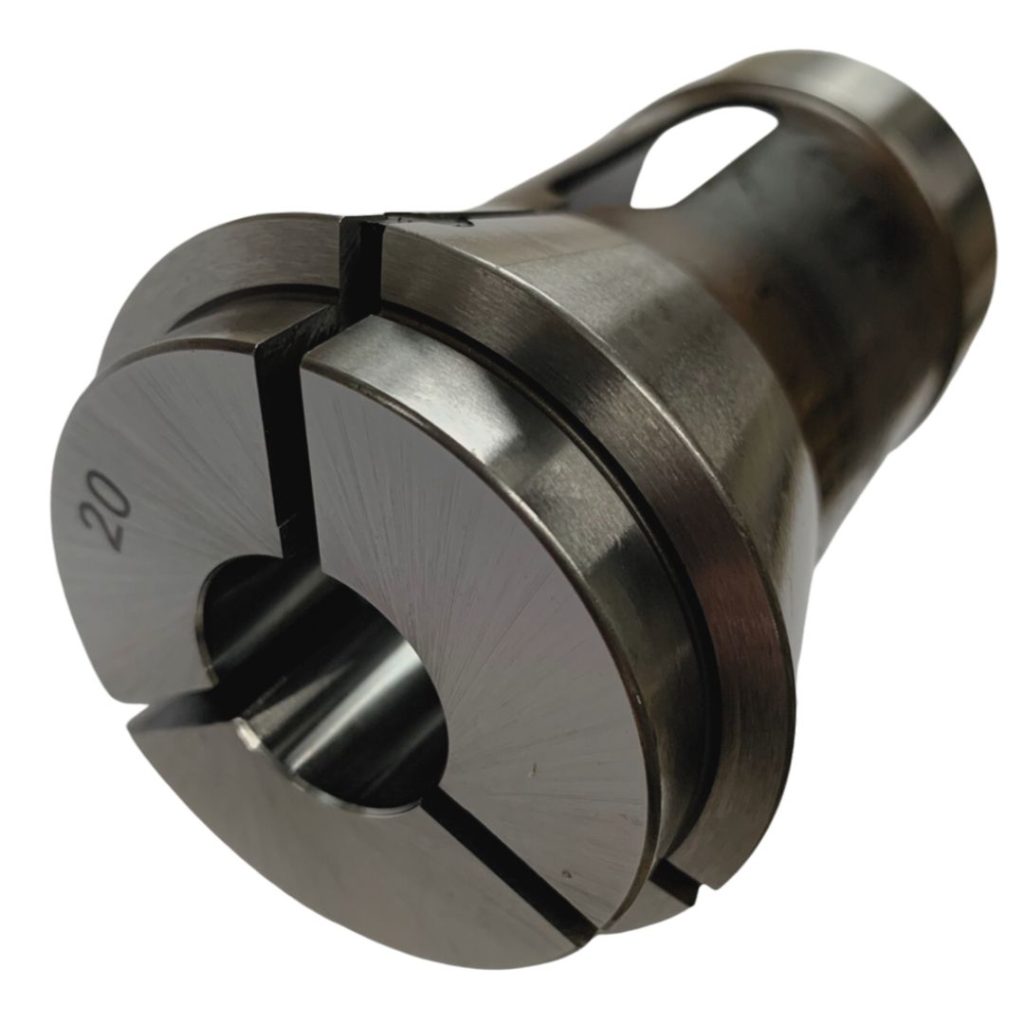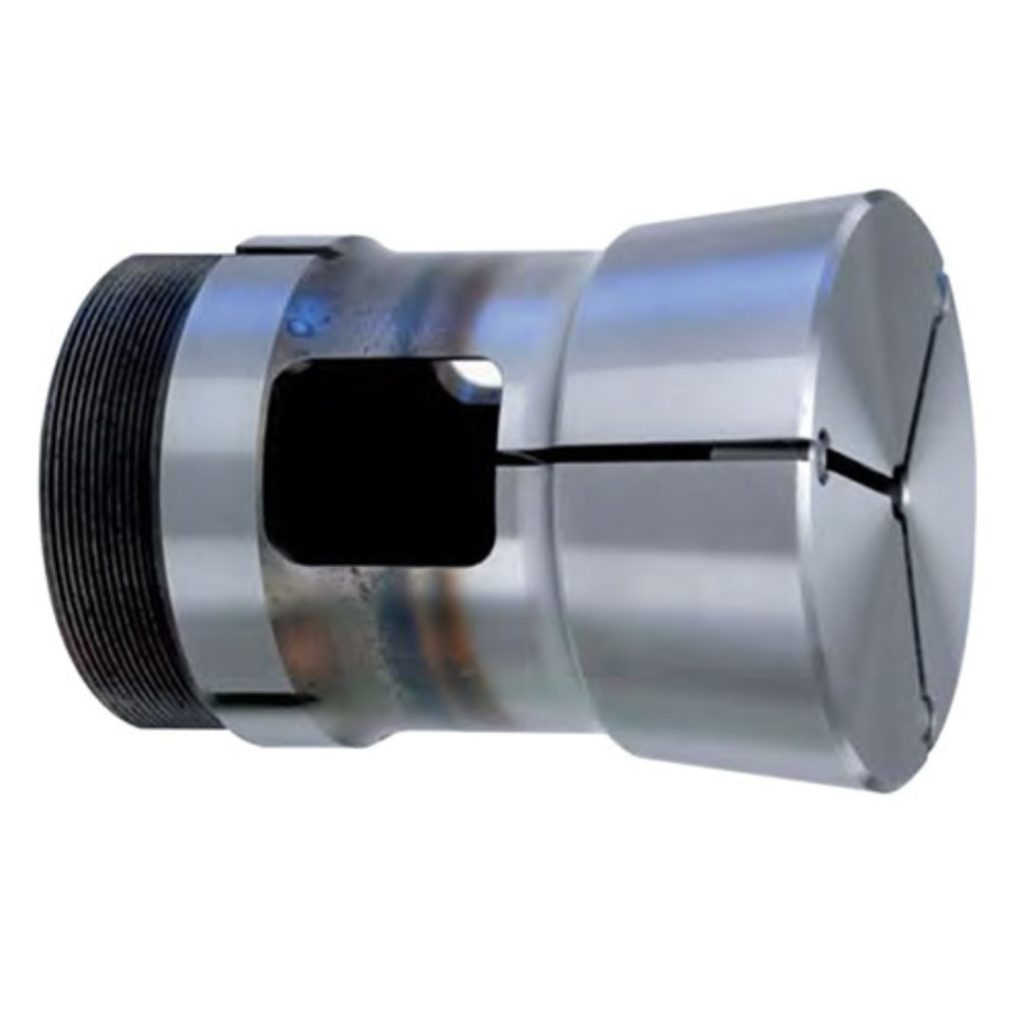
In collet machining, even the smallest factors can have a big impact on precision and efficiency. One factor that often goes unnoticed is thermal expansion—the tendency of materials to expand when heated.
For double angular collets, which are designed to hold tools or workpieces at precise angles, thermal expansion can make a noticeable difference in performance.
For shops working with trusted Collet manufacturers, understanding how heat affects collet performance is key to maintaining accuracy and productivity.
What Is Thermal Expansion in Collets?
Thermal expansion happens when the material of a collet heats up and slightly changes size. In machining, heat comes from friction between the tool and the workpiece, as well as high-speed rotation of the spindle. Even small changes in a collet’s dimensions can affect how tightly it grips a tool, how concentric it is, and how stable the setup remains during operation.
Double angular collets are especially sensitive because their design is more complex than standard collets. A small expansion can lead to tool slippage, vibration, or misaligned cuts, which affects both quality and tool life.
High-quality options like Er collets and DIN 6343 Collets are engineered to resist these issues, but it’s still important for operators to understand the effects of heat on their setup.
Factors That Influence Thermal Expansion
Several factors determine how much a double angular collet will expand during use:
Material of the Collet
Most collets are made from hardened steel or alloy steel, each with its own coefficient of thermal expansion. High-performance collets often use alloys designed to minimize dimensional changes due to heat.
Spindle Speed
The faster the spindle spins, the more heat is generated. That’s why setups using CNC collet chucks must account for heat management to maintain consistent performance.
Cutting Conditions
Heavy cuts, high feeds, and continuous machining create more heat. Even lighter cuts can affect collets in ultra-precision work, where tolerances are extremely tight.
Clamping Force
Too much clamping force can deform a collet when heated, while too little can allow slippage. Finding the right balance is critical, especially for high-speed or precision applications.
How Thermal Expansion Affects Performance
When a double angular collet expands, several performance issues can arise:
- Tool Runout: Expansion can misalign the tool, leading to uneven cuts or poor surface finish.
- Reduced Grip: As the collet heats, its grip may loosen slightly, increasing the risk of slippage.
- Dimensional Errors: Angled components may no longer meet tight tolerances due to thermal distortion.
- Increased Wear: Repeated expansion and contraction can wear out the collet faster, shortening its lifespan.
How to Minimize Thermal Effects
Here are some practical ways to reduce the impact of thermal expansion:
Choose the Right Material
High-performance collets, like Traub collets, are made from alloys with low thermal expansion to maintain stability even under heat.
Optimize Machining Parameters
Controlling spindle speed, feed rate, and coolant flow can help reduce heat generation.
Invest in Precision Collets
Reliable Collets from a reputable collet manufacturer in india are built to maintain grip and alignment despite minor thermal changes. Options like A-25 Collets, A-42 Collets, and 161E Collets are designed to handle high-precision work under heat stress.
Regular Maintenance
Cleaning collets and checking for wear reduces friction and helps maintain performance over time.
Choosing the Right Collet
For high-speed or precision applications, the choice of collet matters. DIN 6343 Collets and Er collets provide consistent clamping even with temperature fluctuations, while double angular collets give the flexibility needed for angled machining. Matching the right collet size—like A-25 Collets, A-42 Collets, or 161E Collets—to the tool ensures minimal performance loss due to thermal expansion.
Conclusion
Thermal expansion may seem like a small factor, but in high-precision machining, it can affect tool stability, accuracy, and collet life. By understanding its effects and using high-quality collets from trusted Collet manufacturers, operators can maintain performance even under high-speed, high-temperature conditions.
Using reliable solutions like Traub collets, DIN 6343 Collets, Er collets, and specialized collets such as A-25 Collets, A-42 Collets, and 161E Collets ensures that your machining setup remains precise, stable, and productive—even when heat is part of the equation.