In high-speed multi-spindle machining, every second counts—and so does every component. One of the unsung heroes of this process is the feed finger.
These small but critical parts guide workpieces into the spindles, keeping production smooth, accurate, and consistent. A well-designed feed finger can be the difference between flawless parts and wasted material.
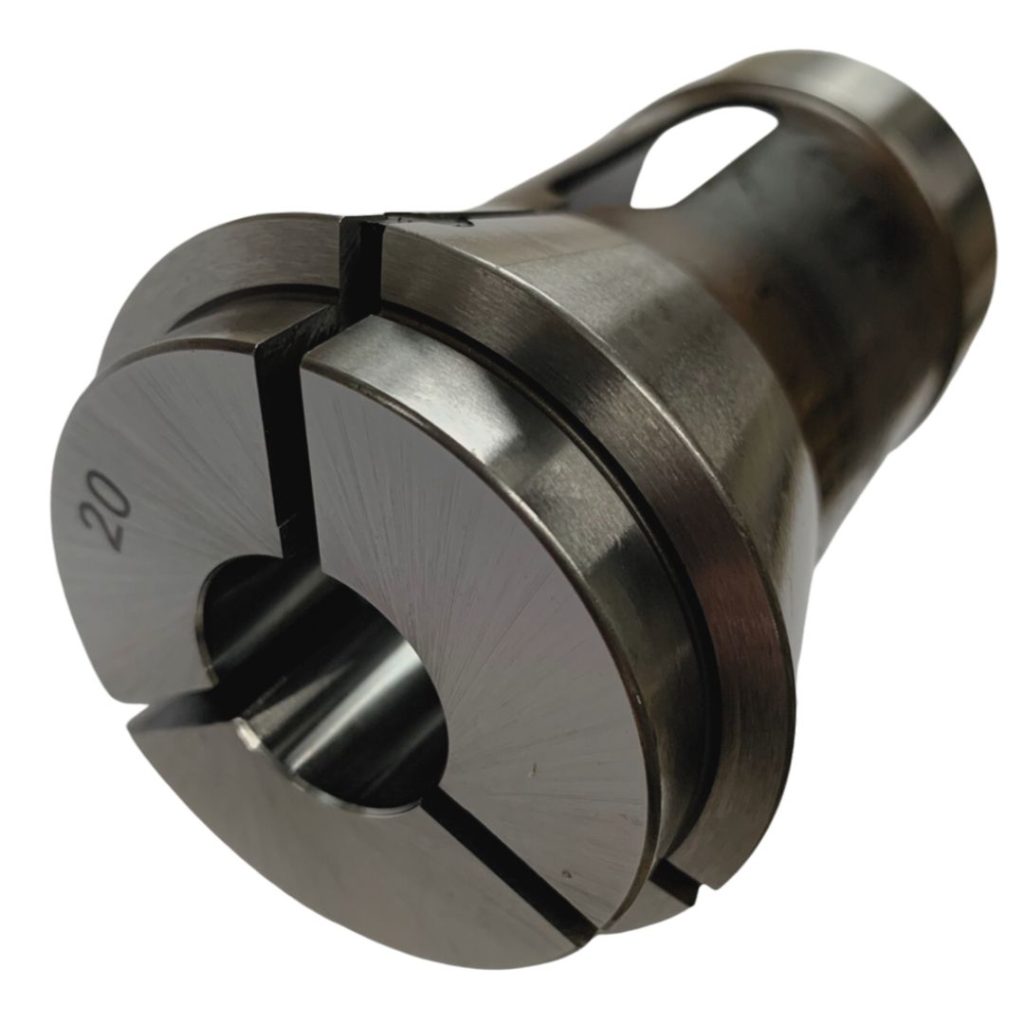
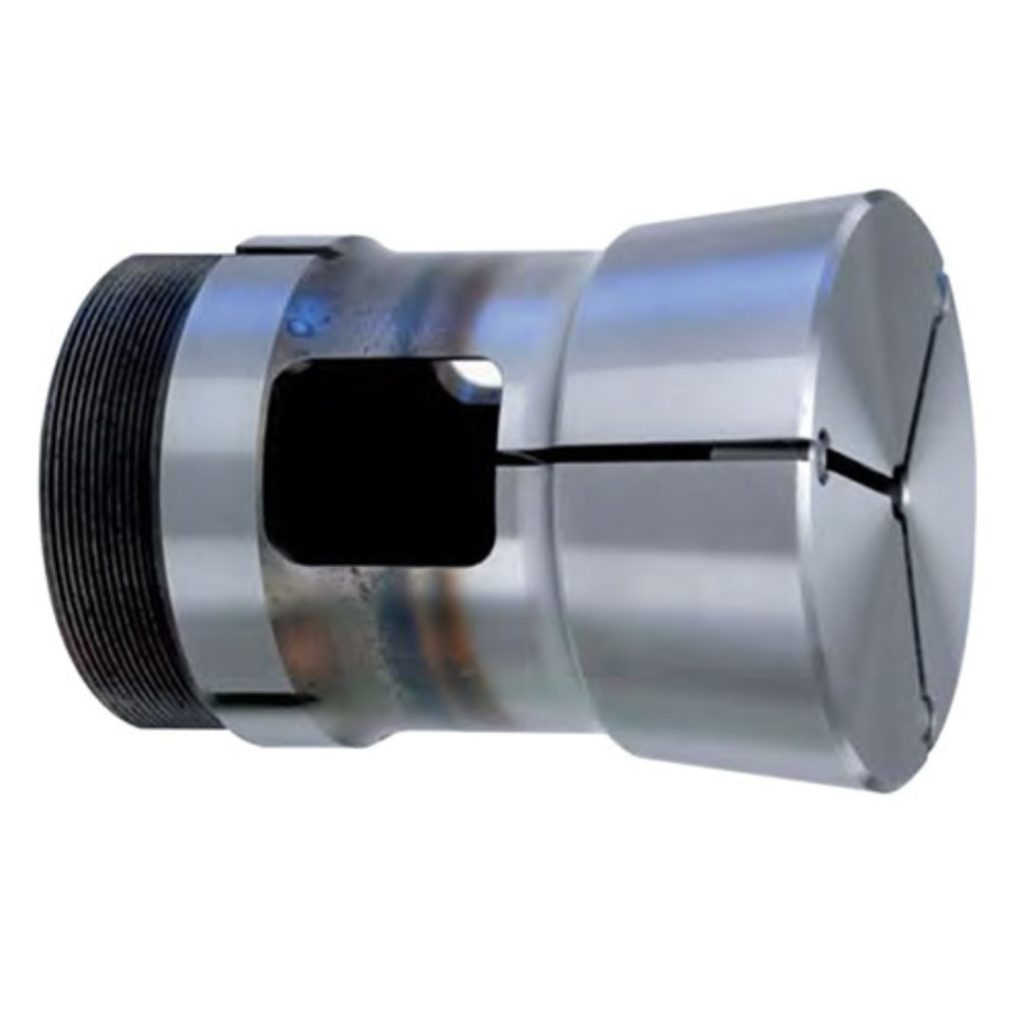
Top Collet manufacturers know that feed fingers work best when paired with precise workholding systems. If you are looking for reliable options, check out a trusted collet manufacturer in india that offers precision-engineered collets built for high-speed operations.
What Exactly Are Feed Fingers?
Feed fingers are mechanical guides that move workpieces into the machine’s spindle. In multi-spindle setups, each spindle operates simultaneously, so the fingers need to be perfectly timed and aligned. Any misalignment can cause collisions, vibration, or misfeeds, which can slow production and reduce part quality.
To achieve consistent results, feed fingers are often used in combination with high-precision Collets, such as Er collets, Traub collets, or DIN 6343 Collets. For example, Er collets are widely used because they hold tools and workpieces securely while the feed fingers guide them into the cutting zone.
Key Principles for Designing Feed Fingers
Choose the Right Material
Feed fingers face constant contact with moving parts, so they need to be tough. Hardened steel or wear-resistant alloys are preferred. Smooth surfaces also reduce friction, keeping workpieces from getting scratched or stuck.
Focus on Geometry
The finger’s shape should match the workpiece profile. Rounded edges and tapered tips help guide parts smoothly. When paired with precise 161E Collets or A-25 Collets, proper geometry ensures accurate alignment every time. You can explore 161E Collets for high-precision work.
Ensure Perfect Alignment
Even a tiny misalignment between the feed finger and spindle axis can cause issues. Using high-quality Din collets or DIN 6343 Collets keeps the workpiece perfectly centered as it enters the spindle.
Consider Speed and Mass
High-speed machines generate significant forces. Feed fingers need to be rigid yet lightweight to avoid bouncing or vibration. Properly balanced fingers ensure smoother operation and fewer rejected parts.
Smooth Finish and Lubrication
Polished surfaces reduce friction and wear. Some designs even incorporate low-friction coatings or lubrication channels. When used with A-42 Collets or A-25 Collets, this keeps both fingers and collets performing optimally for longer.
How Collets Fit into the Picture
Feed fingers don’t work in isolation. Their performance depends on the collet system holding the workpiece.
- ER Collets: Flexible, versatile, and ideal for general-purpose high-speed operations.
- Traub Collets: Perfect for automatic lathes or multi-spindle machines requiring strong, stable clamping. Check them here: Traub collets.
- DIN 6343 Collets: Offer unmatched concentricity and repeatability, which is crucial for high-speed operations.
Pairing collets with CNC collet chucks ensures the workpiece is held securely while the feed finger does its job.
Testing and Fine-Tuning
Even the best-designed feed fingers need testing:
Run the machine with dummy parts to observe movement.
Check for misfeeds, collisions, or vibration.
Adjust alignment and geometry if needed.
Regular inspection of feed fingers and collets like 161E Collets, A-25 Collets, and A-42 Collets keeps your high-speed operation running smoothly.
Benefits of Well-Designed Feed Fingers
When feed fingers are designed properly and paired with high-quality collets, the benefits are clear:
- Higher production rates: Parts move smoothly into the spindle without delays.
- Better part quality: Accurate guidance reduces errors and rework.
- Longer tool life: Proper alignment minimizes uneven stress on tools and collets.
- Reduced machine wear: Less vibration means longer machine lifespan.
Conclusion
Feed fingers may seem small, but they play a massive role in high-speed multi-spindle machining. Their design impacts accuracy, efficiency, and part quality. By paying attention to material, geometry, alignment, and pairing with high-precision collets like Er collets, Traub collets, and DIN 6343 Collets, manufacturers can ensure smooth operation and excellent results.
Partnering with a trusted collet manufacturer in india guarantees access to precision Collets that complement your feed finger design. Specialized options like 161E Collets, A-25 Collets, and A-42 Collets further enhance performance in high-speed, multi-spindle setups, helping you produce accurate, high-quality components every time.