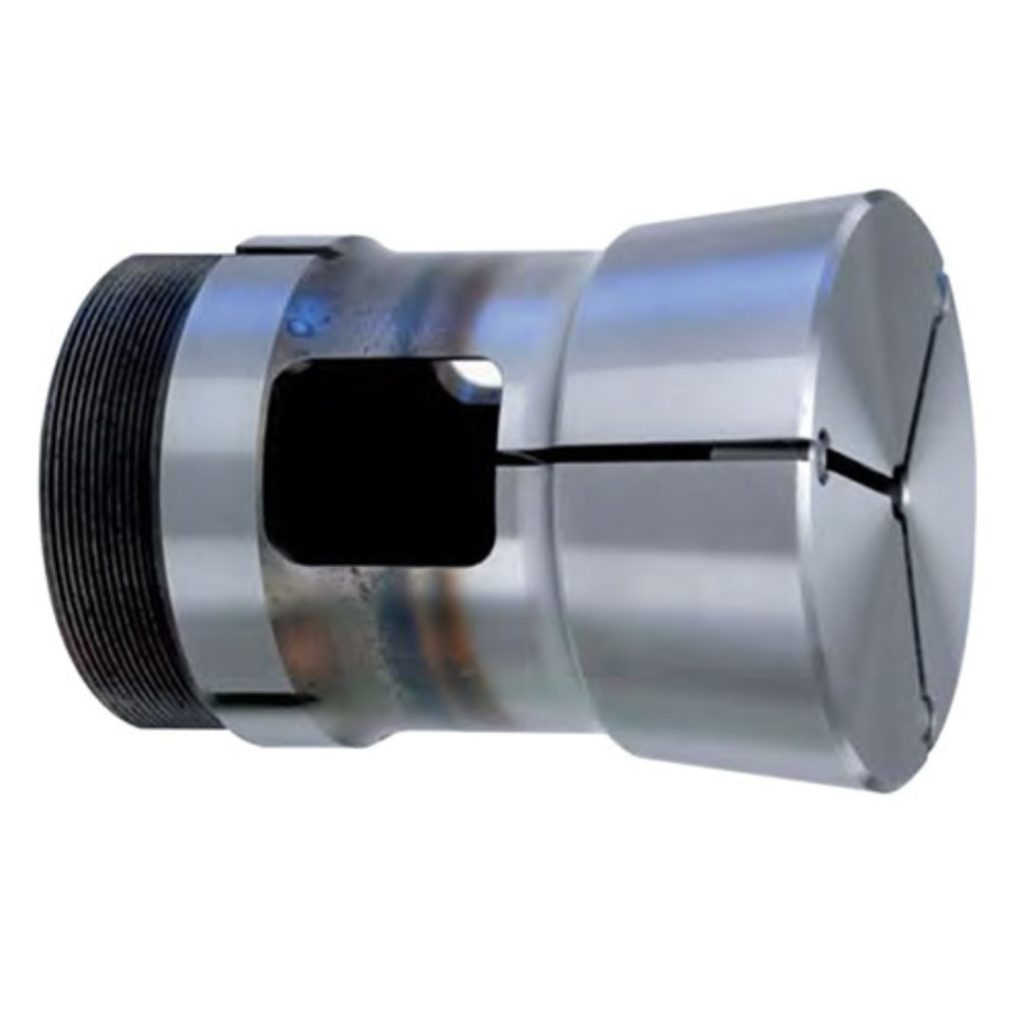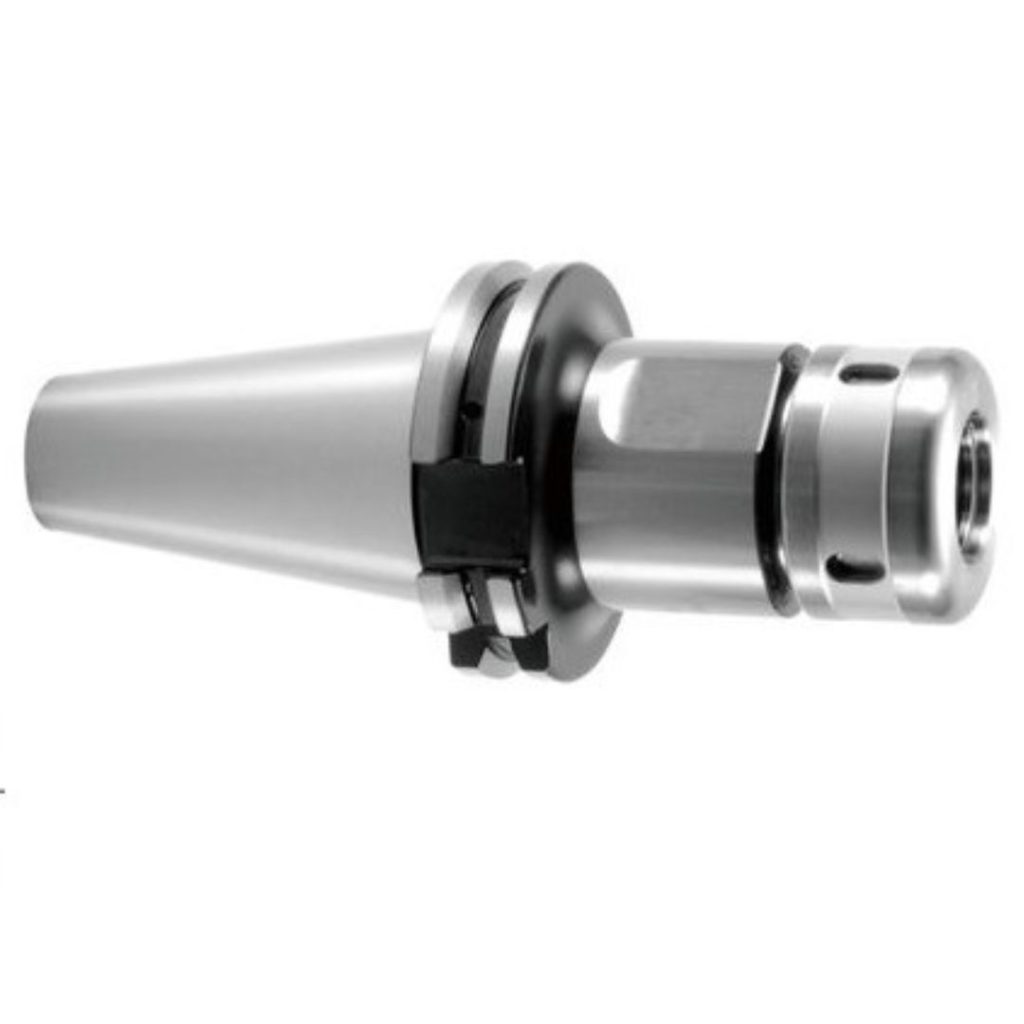
collet can make all the difference and you aiming for precise tool holding, smooth finishes, or improved productivity, choosing between spring collets and hydraulic collets is an important decision. Leading collet manufacturers in India often stress that understanding their differences is key to getting the best results from your machines.
What Are Collets and Why Do They Matter?
At its core, a collet is a device that securely holds a tool or workpiece in place during operations like drilling, milling, or turning. A good collet minimizes vibrations, maintains accuracy, and increases tool life. Popular types include Traub collets, DIN collets, and ER collets.
For example, Traub collets are perfect for high-speed lathes, while ER collets are versatile and widely used for milling or drilling tasks. Reputable collet manufacturers in India, like Sikka Collets & Accessories, offer a wide range of these collets to meet both everyday and specialized machining needs.
Spring Collets: The Traditional Choice
Spring collets are the classic choice in many workshops. Made from hardened spring steel, they work by compressing slightly to grip the tool or workpiece tightly.
Why spring collets are popular:
- Cost-effective: They are budget-friendly, making them great for general machining.
- Flexible: Can handle small variations in tool or workpiece diameter.
- Durable: High-quality steel ensures long life if properly maintained.
- Easy to replace: Many collet manufacturers produce interchangeable spring collets for quick swaps.
The only catch? Over time, spring collets can lose clamping force, so regular inspection and replacement are necessary. Many shops use DIN collets for consistent, standardized performance.
Hydraulic Collets: Precision at Its Best
Hydraulic collets take clamping to the next level. They use hydraulic pressure to grip tools or workpieces evenly, ensuring perfect centering and reducing runout.
Why hydraulic collets stand out:
- Precision: Hydraulic pressure ensures excellent centering and minimal vibration.
- Better surface finish: Even clamping pressure improves machining quality.
- Faster tool changes: Hydraulic systems make swapping tools quick and easy.
- Longer tool life: Uniform pressure reduces wear on both collet and tool.
Hydraulic collets are ideal for industries that demand precision, like aerospace, automotive, or medical manufacturing. While they cost more than spring collets and need occasional maintenance, the payoff is unmatched accuracy and smoother operations.
Key Differences at a Glance
| Feature | Spring Collets | Hydraulic Collets |
| Clamping Mechanism | Spring compression | Hydraulic pressure |
| Accuracy | Good for general use | Excellent for precision |
| Cost | Affordable | Higher investment |
| Maintenance | Low | Moderate |
| Tool Change Speed | Moderate | Fast |
| Best For | Everyday machining | High-precision tasks |
How to Decide Which Collet to Use
Ask yourself these questions:
- What type of machining do I do? Spring collets are great for standard milling or turning, while hydraulic collets shine in precision work.
- What’s my budget? Spring collets are cheaper, hydraulic collets are an investment in accuracy and speed.
- Is my machine compatible? Check that the collets—be it Traub collets, ER collets, or DIN collets—fit your setup.
- How high is my production volume? Hydraulic collets save time in high-volume operations thanks to faster tool changes.
Trusted collet manufacturers in India, like Sikka Collets & Accessories, offer both spring and hydraulic collets designed to meet different machine types and industry standards.
Final Thoughts
Choosing between spring collets and hydraulic collets depends on your priorities. If you need flexibility and cost-efficiency, spring collets are perfect. If accuracy and faster production matter more, hydraulic collets are worth the investment.
By working with a reliable collet manufacturer in India, you can ensure your machines perform at their best, whether you’re using Traub collets, DIN collets, or ER collets. With the right collets, your workshop can enjoy better precision, reduced tool wear, and smoother operations.