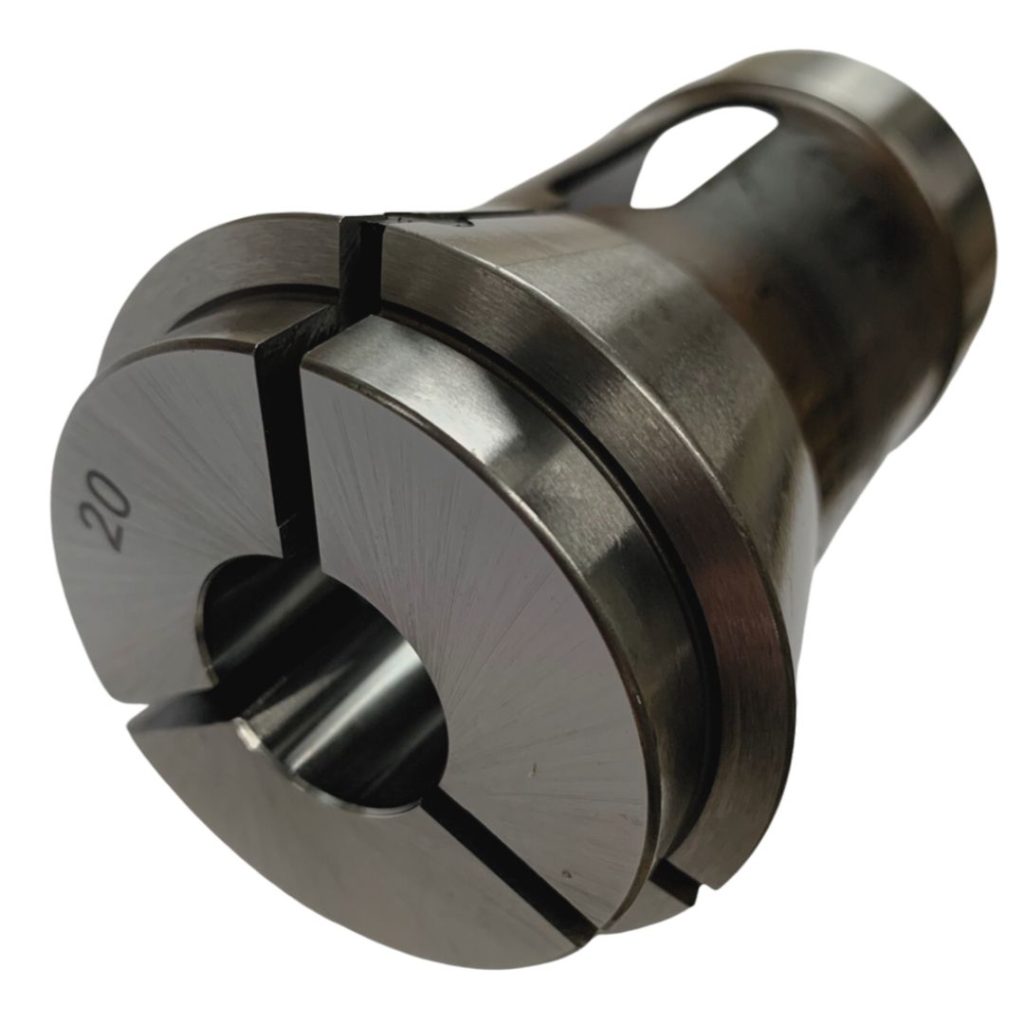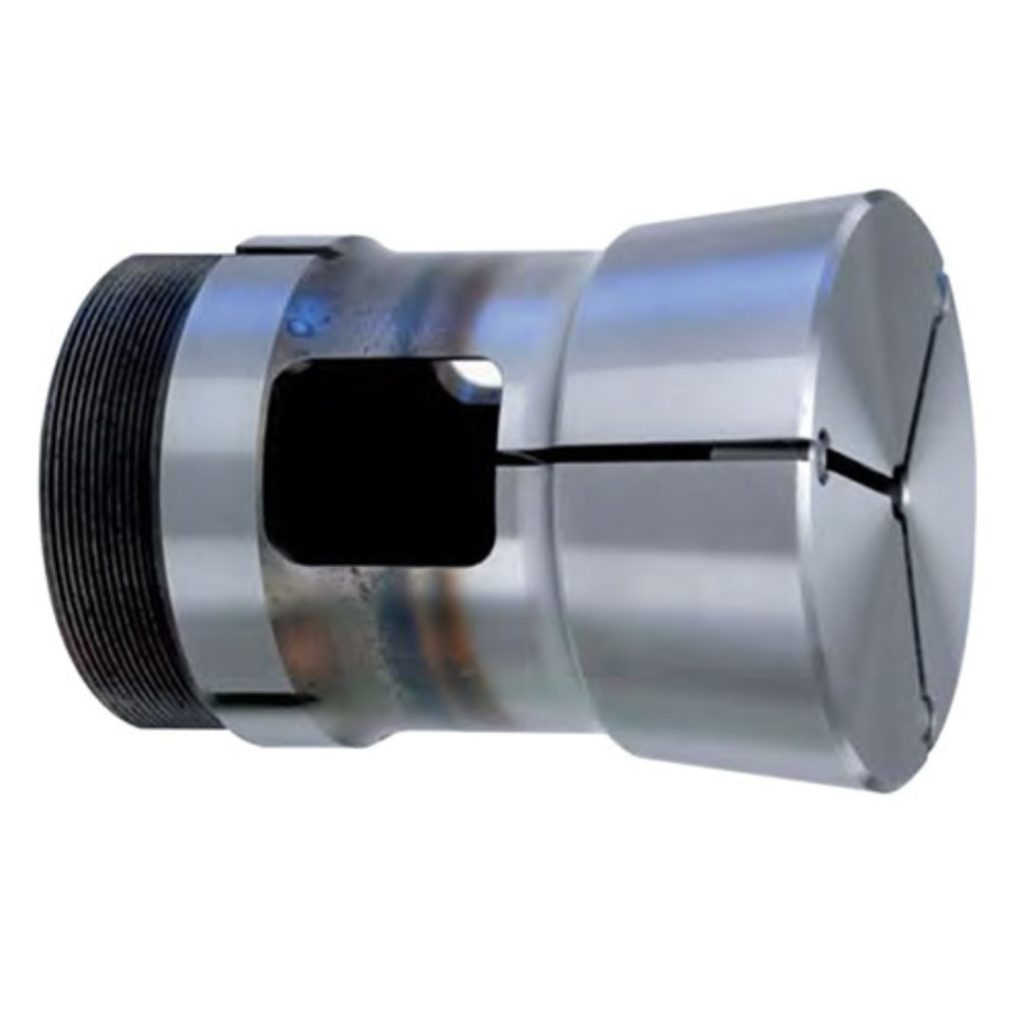
Collets are designed to hold tools firmly, but like any mechanical component, they wear over time. Spotting a worn-out collet early can save both your tools and your workflow, avoiding costly downtime and rework.
Top-notch Collet manufacturers design their products for durability, but even the best collets need regular checks. For reliable options, you can explore a trusted collet manufacturer in india that offers a full range of precision-engineered collets.
Why Collet Health Matters
Collets do more than just hold your tools—they ensure concentric rotation, stability, and accurate machining. A worn or damaged collet can cause:
- Tool slippage
- Poor surface finishes
- Premature tool wear
- Excessive vibration and chatter
Even minor deviations can impact production, especially when working with precision collets like Er collets, DIN 6343 Collets, or specialized options such as Traub collets.
Signs Your Collets Are Worn
Tools Won’t Stay Tight
If a tool feels loose even after proper tightening, the collet may be losing its grip. Ignoring this can lead to tool breakage or damaged workpieces.
Visible Wear or Damage
Check for cracks, scratches, or uneven surfaces on your collets. Small deformities can affect concentricity, especially in high-speed operations. High-quality collets like A-25 Collets or A-42 Collets are designed to strict tolerances, but they still need inspection.
Excessive Runout
Runout occurs when the tool wobbles while spinning. Measuring runout regularly helps catch wear before it causes serious damage. Precision collets like 161E Collets or DIN 6343 Collets are designed to minimize this.
Uneven Tool Wear
If your tools are wearing unevenly, the collet may not be holding them concentrically. This is especially noticeable in high-speed milling or turning. Using high-quality Traub collets can help prevent this.
Vibration or Chatter
Noticeable vibration or chatter during machining can indicate the collet has lost its grip or concentricity. Persistent vibrations affect both the surface finish and tool life.
Routine Inspection Tips
Preventing collet-related problems is much easier than fixing them later. A proactive inspection routine should include:
Visual Checks: Look for cracks, scratches, or uneven surfaces.
Runout Measurement: Use a dial indicator to check tool alignment.
Grip Test: Tighten and loosen tools to ensure consistent clamping.
Tool Wear Analysis: Monitor for irregular wear patterns.
Cleanliness: Keep collets and holders free from chips, dirt, or coolant residue. Using proper CNC collet chucks helps maintain consistent clamping.
Choosing the Right Collet for Longevity
The right collet can make a big difference in lifespan and performance:
- Er collets: Versatile, precise, and great for everyday use.
- Traub collets: Ideal for automatic lathes and high-speed work.
- 161E Collets: Designed for high-precision turning.
- A-25 Collets and A-42 Collets: Perfect for specialized applications.
High-quality collets from a trusted collet manufacturer in india ensure minimal runout, strong grip, and longer tool life.
When to Replace a Collet
Even with good care, collets don’t last forever. Replace them when you notice:
- Tools slipping or difficult to secure
- Runout beyond acceptable limits
- Cracks, scratches, or other damage
- Uneven tool wear patterns
Replacing worn collets promptly prevents tool breakage, improves surface finish, and reduces costly machine downtime.
Final Thoughts
Worn-out collets are a hidden risk in precision machining. Catching them early is key to protecting your tools, maintaining accuracy, and keeping production running smoothly.
Regular inspection, monitoring runout, and using high-quality Collets from trusted Collet manufacturers can make all the difference. Precision-engineered options like ER collets, DIN 6343 Collets, Traub collets, and specialized A-25, A-42, and 161E Collets ensure reliable performance, longer tool life, and consistent machining quality. Paying attention to collet health is one of the simplest ways to safeguard your tools and improve your CNC operations.