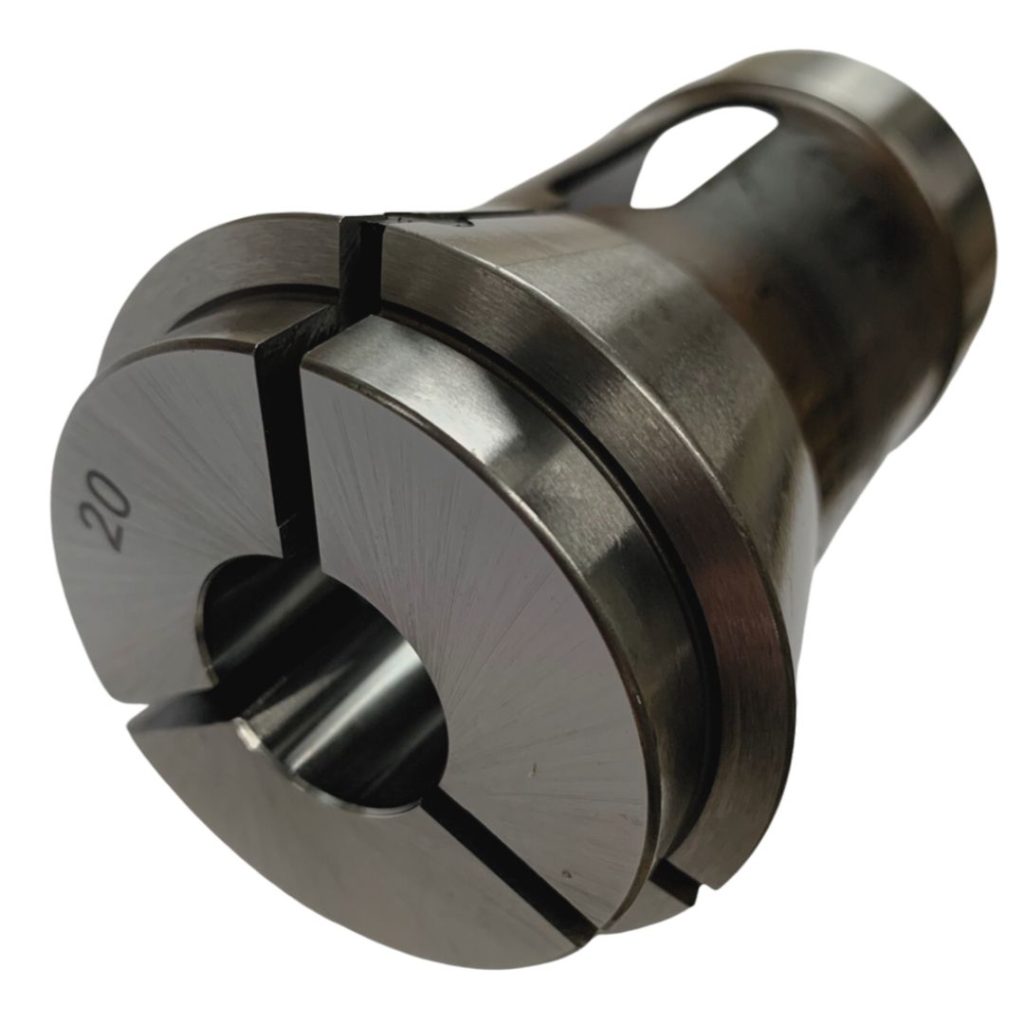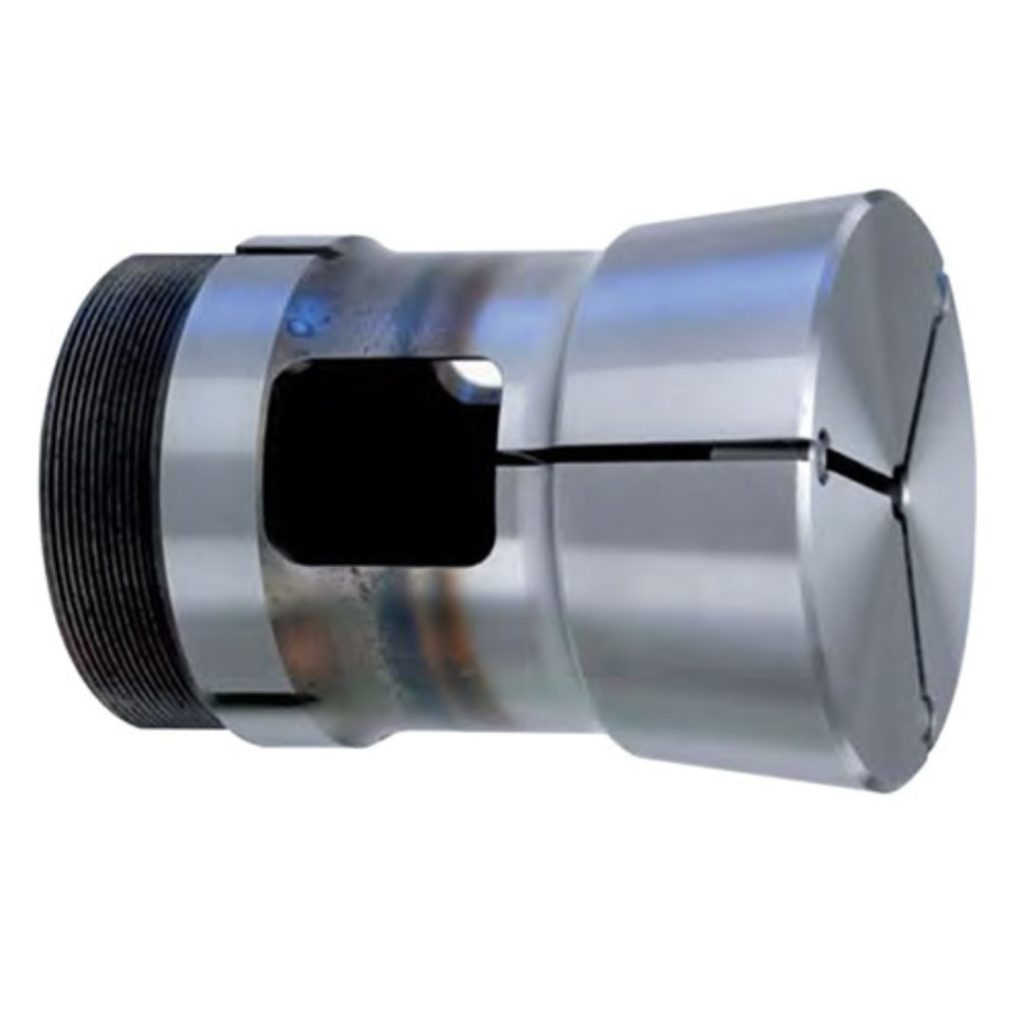
In CNC machining, collets might seem like small, simple components—but they play a crucial role in holding tools and workpieces securely.
Over time, even high-quality Collets like Er collets, A-25 Collets, A-42 Collets, 161E Collets, and DIN 6343 Collets can lose clamping force. When this happens, tools can slip, surface finishes can suffer, and machining accuracy can drop.
Understanding why collets lose grip and how to maintain them can save time, reduce tool wear, and keep your CNC operations running smoothly.
How Collets Hold Tools
Collets are designed to grip a tool or workpiece evenly all around. Their tapered shape allows them to compress inside a collet chuck or spindle, creating a firm hold.
Top-quality Collet manufacturers design their products to hold this grip for as long as possible. Precision-engineered options like Er collets and DIN 6343 Collets maintain excellent concentricity and minimize runout. Even so, normal wear and operational stresses eventually reduce clamping force.
Why Collets Lose Clamping Force
Several factors contribute to the gradual loss of collet grip:
1. Wear and Deformation
Repeated use and high-speed machining stress the collet material. Over time, the metal can deform slightly, which reduces its ability to compress fully and hold the tool firmly.
2. Debris and Contamination
Dust, chips, and cutting fluids can accumulate between the collet and the chuck. Even a tiny particle can prevent a collet from seating correctly, reducing clamping strength.
3. Incorrect Tightening
Over-tightening a collet can permanently deform it, while under-tightening reduces grip. Both scenarios lead to tool slippage and decreased accuracy.
4. High-Speed Operations
Continuous high-speed operations, especially with Traub collets or 161E Collets, can fatigue the metal and gradually weaken the clamping force.
5. Material Fatigue
Like any metal component, collets experience fatigue after repeated cycles of compression and decompression. This slowly diminishes their spring-like action and gripping ability.
Signs Your Collet Needs Attention
Early recognition can prevent bigger problems. Look out for:
- Tools or workpieces slipping during operation
- Uneven or inaccurate cuts
- Increased vibration during machining
- Difficulty maintaining tight tolerances
If any of these occur, it’s time to inspect or replace your collets.
Tips to Maintain Clamping Force
While some loss is inevitable, proper care can extend the life of your collets:
1. Keep Everything Clean
Ensure collets, chucks, and tool holders are free from chips, dust, or fluid residue. Even small contaminants can reduce grip. Pairing collets with quality CNC collet chucks helps maintain proper clamping.
2. Tighten Correctly
Always follow manufacturer torque recommendations. Correct tightening maximizes grip without stressing the collet.
3. Rotate Collets
If you have multiple collets of the same size, rotate them during production. This reduces wear on individual collets.
4. Choose Quality
High-quality collets last longer and maintain grip more consistently. Options like A-25 Collets, A-42 Collets, and DIN 6343 Collets are built to handle repeated use.
5. Inspect and Replace
Check collets regularly for cracks, deformation, or worn surfaces. Replacing worn collets keeps machining accurate and safe.
Choosing the Right Collet for Your Work
Different applications demand different collets. For high-speed CNC milling, precision-focused Er collets and DIN 6343 Collets deliver excellent accuracy. For turning or bar feeding, Traub collets and 161E Collets provide consistent grip under rotational stress. For heavy-duty tasks, A-25 Collets and A-42 Collets handle larger components without losing clamping force.
Working with a trusted collet manufacturer in india ensures access to high-quality, precision-engineered collets. Explore a wide range of options at Collet manufacturers to meet the needs of your specific CNC operations.
Final Thoughts
Collets may seem like small, unassuming tools, but their role in CNC machining is huge. Over time, wear, debris, improper use, and material fatigue can reduce clamping force, impacting accuracy and tool life.
By understanding why this happens, spotting the signs early, and taking care of your collets, you can extend their lifespan and keep your machining precise. High-quality Collets from reputable manufacturers—like Er collets, Traub collets, and DIN 6343 Collets—paired with proper maintenance, are key to smooth, reliable, and efficient CNC operations.