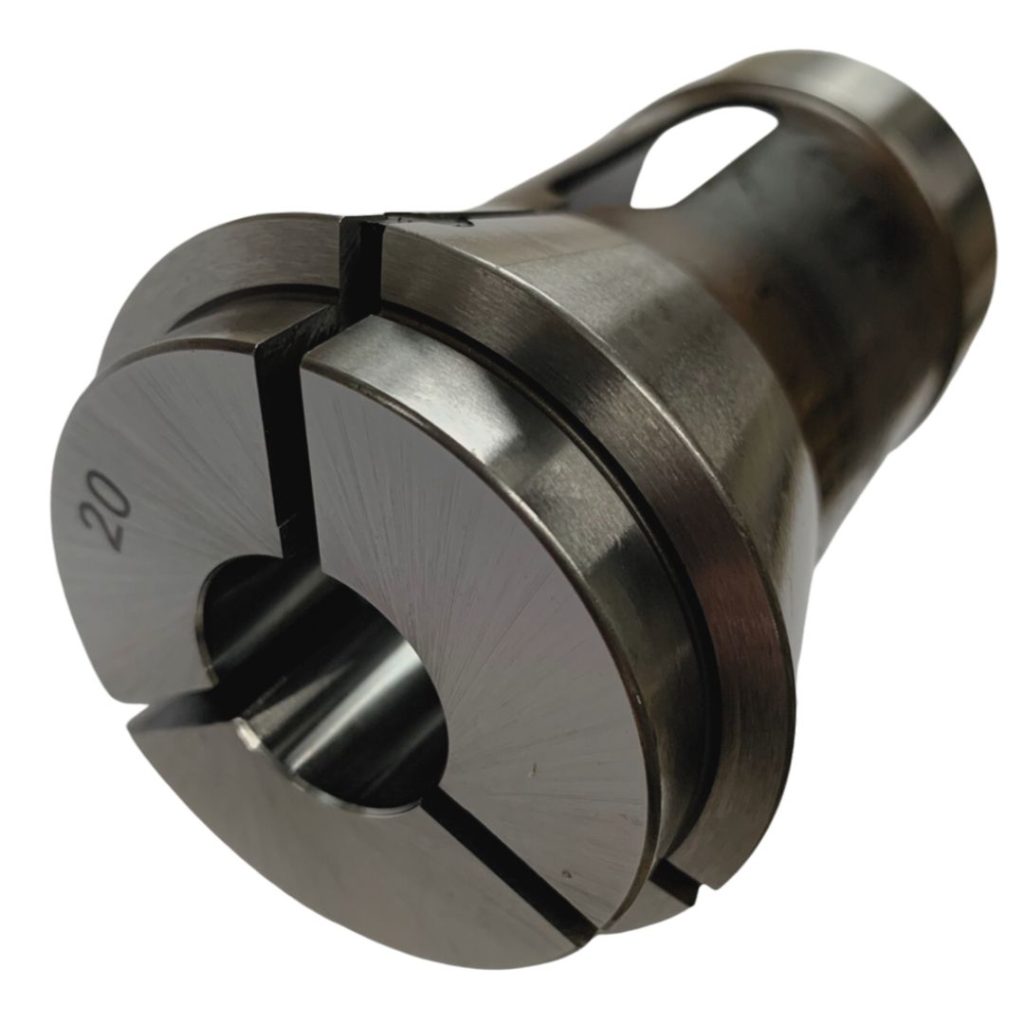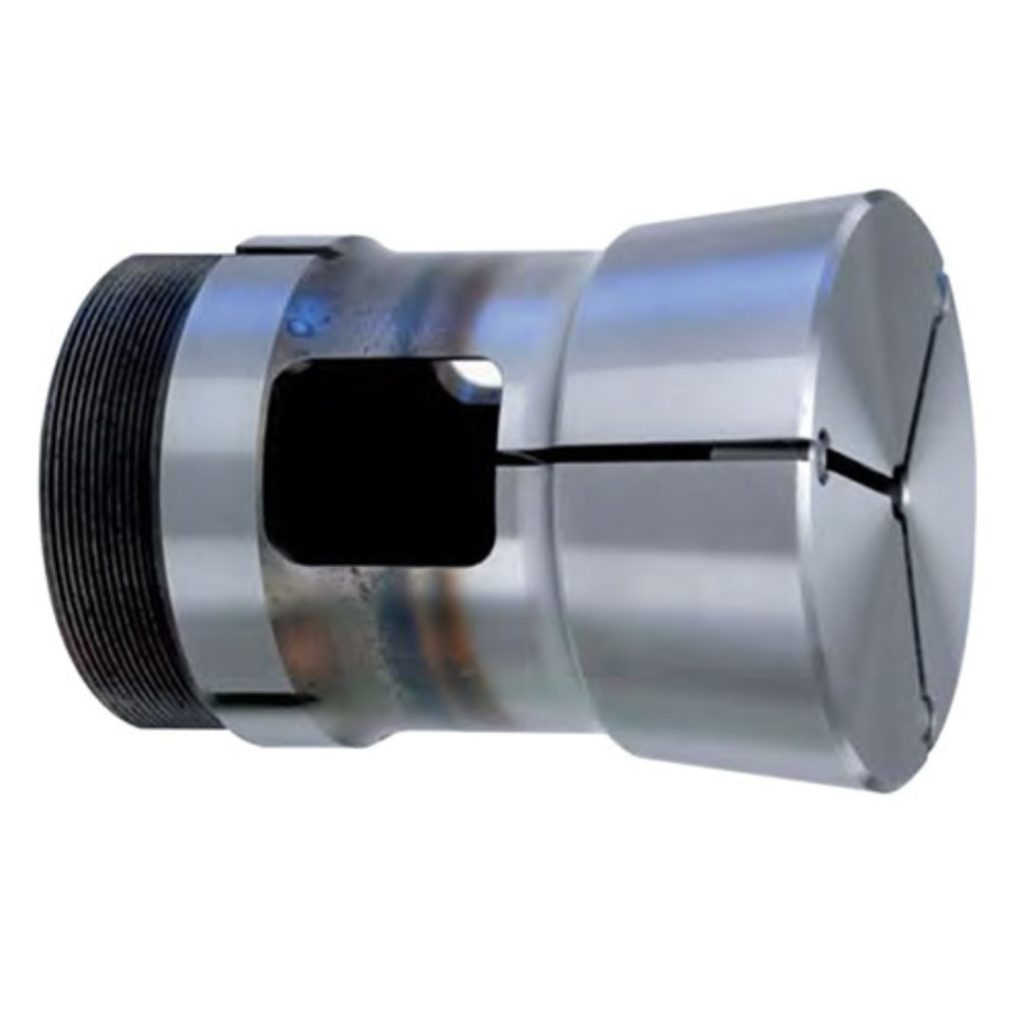
That’s where reverse taper collets come in—they’re designed to grip tools more evenly and reduce problems like runout or tool deflection.
Understanding how to optimize clamping force in these collets can make a noticeable difference in your machining results.
For shops working with trusted Collet manufacturers, using the right collet isn’t just about having a tool—it’s about ensuring consistent performance and efficiency every time.
What Are Reverse Taper Collets?
Reverse taper collets are a type of Collets designed to spread the clamping force evenly along the tool shank. Unlike standard collets that may pinch the tool in one spot, reverse taper collets apply pressure gradually. This not only prevents tool deformation but also minimizes vibration and improves overall machining stability.
High-quality reverse taper collets from leading collet manufacturer in india are engineered to maintain grip even under heavy cutting loads or high-speed conditions. That’s why industries that demand both accuracy and reliability often prefer these collets.
Why Clamping Force Distribution Matters
Even force distribution isn’t just a “nice-to-have”—it’s critical. Uneven clamping can lead to:
- Tool deflection: When a tool bends even slightly, tolerances and cuts suffer.
- Increased runout: Wobbling at the tool tip can ruin surface finish.
- Premature wear: Concentrated stress points shorten the life of both the tool and the collet.
Optimizing clamping force with reverse taper collets keeps your tools stable and your machining consistent.
Key Factors for Optimization
Several factors determine how well a reverse taper collet distributes force:
Collet Design
The shape and engineering of the collet are essential. Precision designs from reputable suppliers, including Traub collets and DIN 6343 Collets, ensure even pressure along the tool shank.
Tool Compatibility
Your tool shank must match the collet size perfectly. Even a slight mismatch can lead to uneven clamping and reduce the benefits of the reverse taper design.
Spindle and Chuck System
High-quality systems, like CNC collet chucks, make sure the force from the collet is transferred evenly, giving you more stability and precision.
Best Practices for Even Clamping
To make the most of reverse taper collets, follow these practical steps:
- Choose the right collet: Options like Er collets, A-25 Collets, A-42 Collets, and 161E Collets are made for specific tools and applications.
- Check your collets regularly: Wear or damage can mess with force distribution and reduce accuracy.
- Use proper torque: Over-tightening or under-tightening can undo the benefits of a reverse taper design. Calibrated torque tools help maintain consistency.
- Align tools carefully: Make sure the tool is seated correctly for even pressure along the shank.
Benefits of Optimized Clamping Force
When clamping force is distributed evenly, the results speak for themselves:
- Better accuracy: Tools stay stable, reducing deflection and errors.
- Improved surface finish: Less vibration and chatter mean smoother cuts.
- Longer tool life: Reduced stress on the tool and collet extends their lifespan.
- Higher reliability: Consistent grip allows you to run high-speed operations with confidence.
Reputable Collet manufacturers provide products that help achieve these results. From A-25 Collets for smaller tools to A-42 Collets and 161E Collets for more demanding operations, having the right collet makes all the difference.
Conclusion
Reverse taper collets are more than just another tool accessory—they’re a way to improve accuracy, efficiency, and tool longevity. By focusing on even clamping force, using high-quality collets like Er collets, Traub collets, or DIN 6343 Collets, and following simple best practices, you can reduce runout, improve surface finish, and make every machining operation more reliable.
Investing in the right collets from trusted suppliers ensures that clamping force is distributed correctly, giving your tools and machines the stability they need to perform at their best every time.