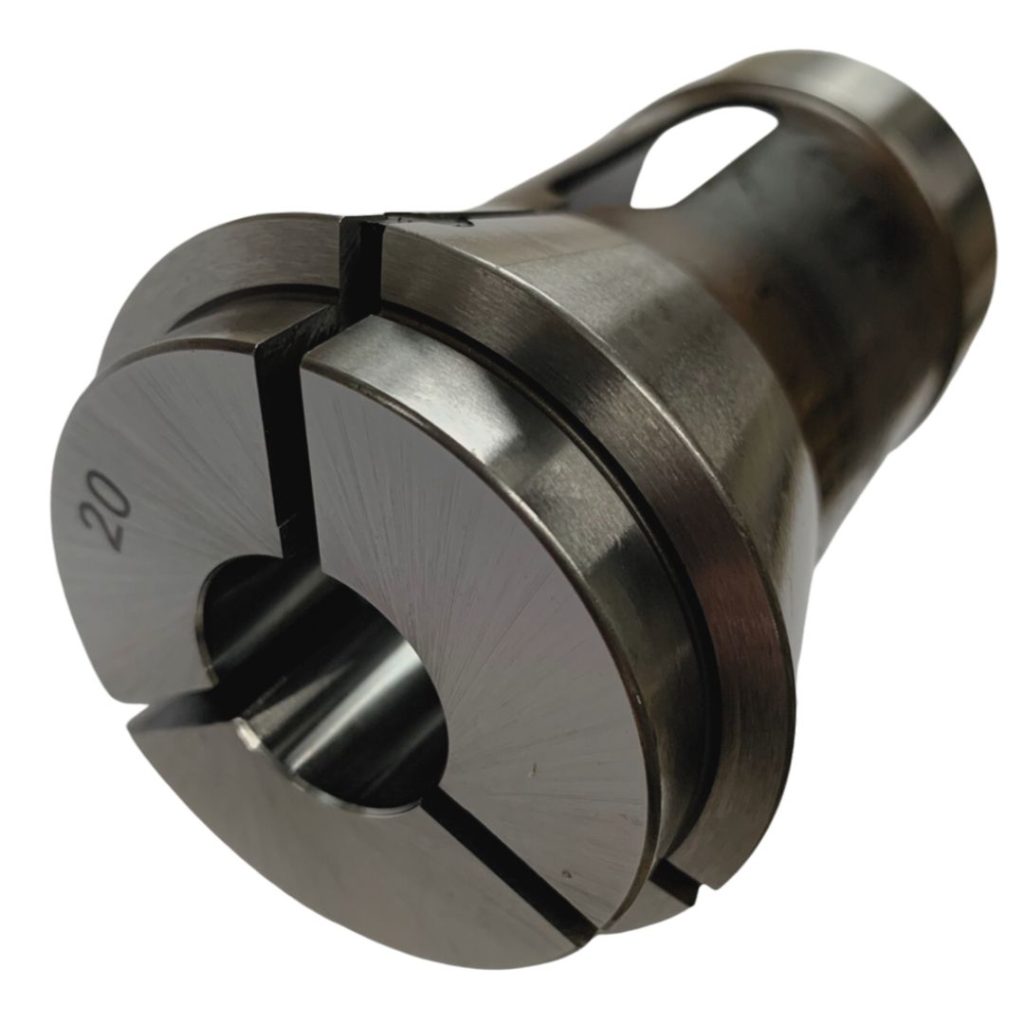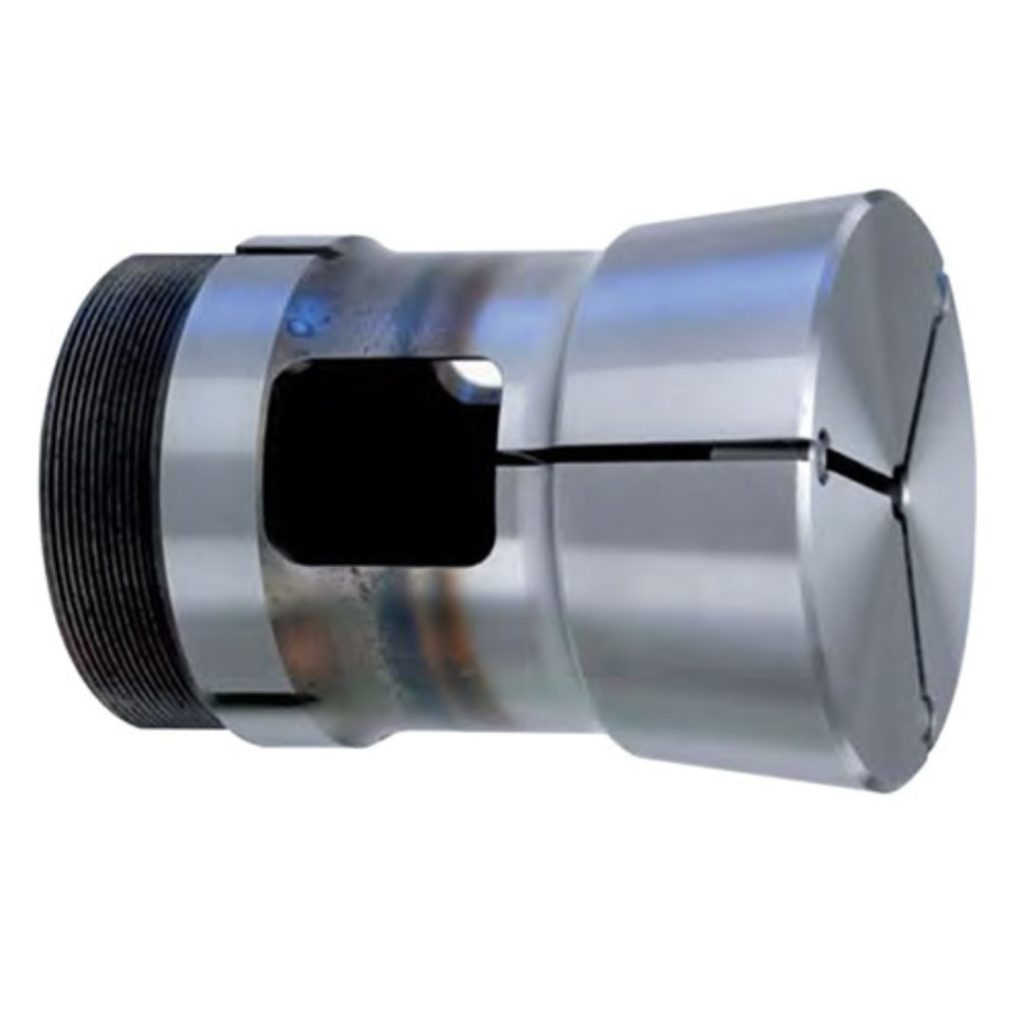
In the precision engineering world, collets are small but incredibly important components that ensure tools and workpieces are held firmly in place during machining.
Over time, collet technology has evolved dramatically—from simple mechanical grips to advanced systems used in modern CNC machines.
Today, leading collet manufacturers in India have taken this evolution to new heights, combining innovation with precision to meet the needs of a fast-changing industry.
The Early Days of Collets
In the early days of metalworking, craftsmen relied on basic tool-holding devices to keep materials steady while shaping them. These early collets were simple, manually operated, and mainly focused on grip rather than precision.
As industries grew and machine tools became more sophisticated, the demand for accurate, durable, and consistent holding tools increased.
This shift encouraged collet manufacturers to improve their designs. They started using stronger materials and better production techniques to make collets more reliable, precise, and suitable for industrial use.
Rise of Precision and Standardization
With the industrial revolution, factories and workshops began adopting automated machines, which required higher precision in every component. Collets evolved from basic clamps into finely machined tools made from hardened steel.
During this period, Traub collets and DIN collets gained popularity. Traub collets became a trusted choice in automatic lathes because of their exceptional grip and consistent performance, while DIN collets, built to German standards, offered excellent accuracy and interchangeability. These improvements helped machines operate faster and more efficiently, reducing downtime and improving the overall quality of production.
The Game Changer: ER Collets
A major breakthrough in collet technology came with the invention of the ER collet. Designed for versatility, ER collets offered greater flexibility and a wider clamping range compared to older types. They could securely hold different tool sizes, making them ideal for milling, drilling, and tapping operations in both small workshops and large manufacturing units.
Modern collet manufacturers in India quickly adopted ER technology, producing ER collets using advanced CNC machines. These collets deliver superior accuracy, reduced runout, and excellent stability even at high speeds—making them a perfect fit for today’s CNC machining environments.
Modern Manufacturing and Material Advancements
Today’s collet manufacturers use cutting-edge technology to create precision-engineered products. From design to production, every step involves detailed computer-aided design (CAD) models, CNC machining, and rigorous quality checks. The use of high-grade alloy steel, heat treatments, and polishing ensures each collet offers long-lasting durability and reliable performance.
A modern collet manufacturer in India follows strict international standards to produce Traub collets, DIN collets, and ER collets that can compete globally. These products are now used across industries like automotive, aerospace, defense, and precision engineering—where even the smallest error can make a huge difference.
Collets in Modern CNC Applications
In CNC machining, collets are more than just holders—they play a critical role in determining accuracy, speed, and surface finish. High-quality collets minimize vibration, improve tool life, and ensure perfect alignment between the tool and spindle.
Traub collets are widely used in CNC turning centers for bar work because they offer consistent grip and repeatability. DIN collets remain the go-to choice for standardized setups requiring exact measurements, while ER collets dominate modern CNC milling and drilling for their adaptability and ease of use.
By focusing on innovation and quality, collet manufacturers in India have established themselves as reliable partners for industries that demand precision at every level.
The Road Ahead for Collet Technology
As technology continues to evolve, the future of collets looks even more exciting. Manufacturers are now exploring the use of smart sensors within collets to monitor factors like vibration, temperature, and wear in real time. This would allow machines to automatically adjust during operation for better efficiency and performance.
Sustainability is also shaping the future of manufacturing. Many collet manufacturers are shifting toward eco-friendly materials and production methods to minimize their environmental footprint while maintaining top-notch quality.
Conclusion
From simple mechanical grips to the high-precision components used in modern CNC systems, the journey of collet technology is a testament to human innovation and engineering excellence. Today, collet manufacturers in India are leading this transformation with their commitment to quality and precision.
By producing world-class Traub collets, DIN collets, and ER collets, they continue to power the machines that shape industries around the world—proving that even the smallest components can make the biggest impact.