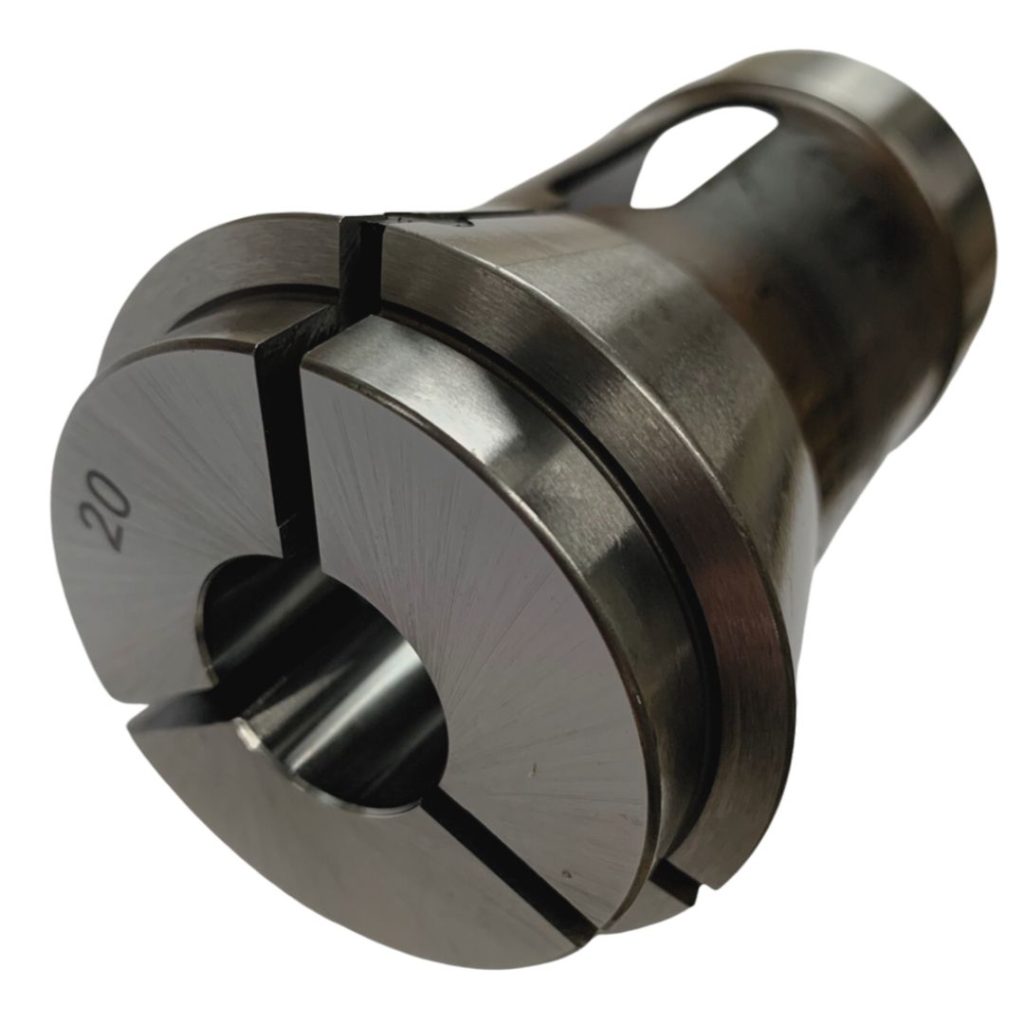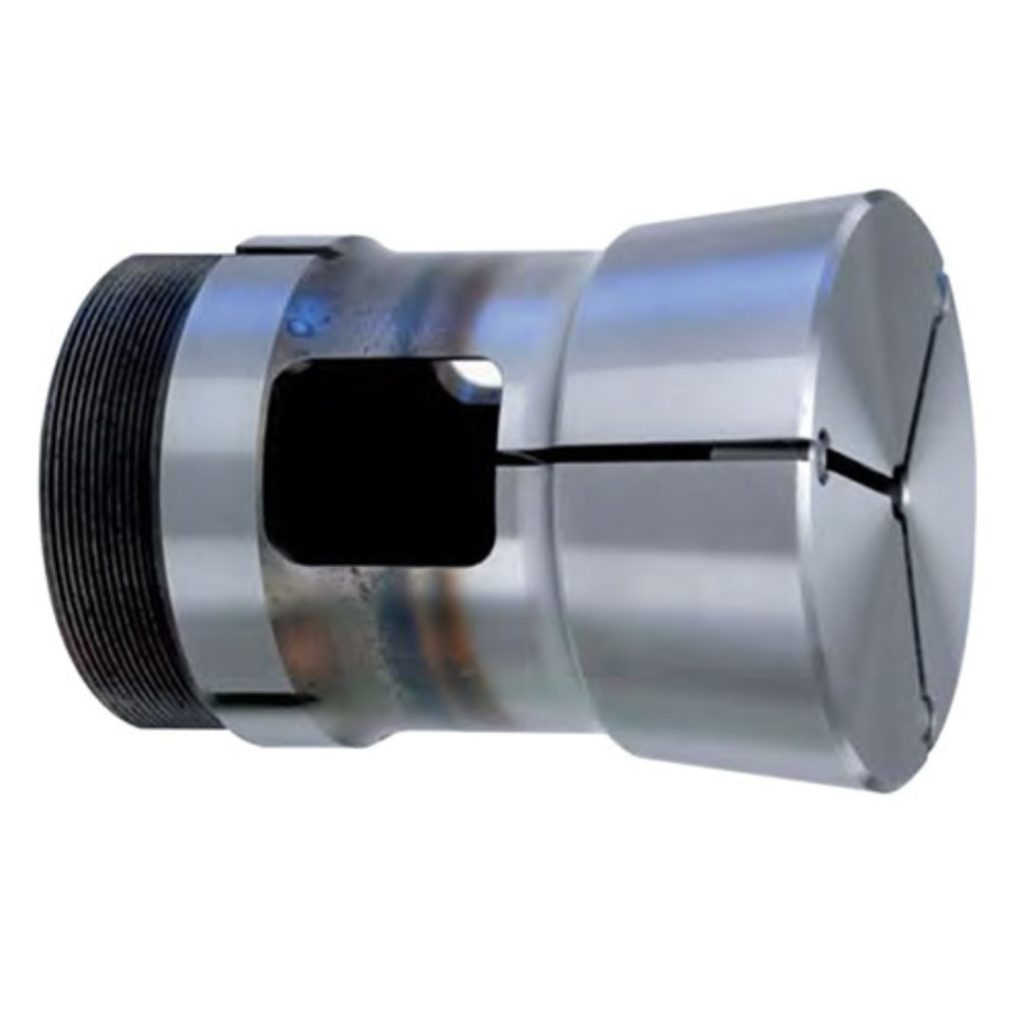
As industries grow more demanding, collet manufacturers are stepping up with innovations that make these tools smarter, stronger, and more reliable.
From traditional designs to cutting-edge engineering solutions, collet technology has come a long way.
Smarter Materials for Tougher Jobs
One of the biggest leaps in collet design is the use of advanced materials. Today, collet manufacturers in India and across the globe are moving beyond basic steel, opting for high-strength alloys and hardened metals.
These materials make Din collets and other types more durable, resistant to wear, and capable of withstanding high-speed operations. In short, they last longer while keeping their gripping power intact.
Precision That Matters
In machining, even the smallest deviation can cause big problems. Modern Collets Er collets are designed with incredibly tight tolerances, ensuring consistent clamping and minimal runout.
Thanks to CNC grinding and laser measurement technologies, collet manufacturers can deliver tools that meet exacting standards. The result? Higher accuracy, less scrap, and smoother operations on every machine.
Better Clamping, Less Hassle
Clamping isn’t just about holding—it’s about doing it perfectly. Today’s collets feature innovative slitting patterns and designs that provide flexibility without compromising force.
Traub collets, for example, combine durability with ease of use. They adapt to slight variations in size, protecting delicate workpieces and making tool changes faster and safer.
Custom Solutions for Specialized Needs
No two jobs are exactly the same. That’s why modern collet manufacturers offer customizable and modular collet systems.
You can adjust the diameter, length, and even material to fit your specific project—whether it’s automotive, aerospace, or heavy engineering. Custom collets ensure you get the perfect fit every time, boosting productivity and reducing errors.
Keeping Up with Automation
The rise of automation has changed how factories work, and collets are evolving alongside it. Advanced systems now integrate seamlessly with robotic tool changers and automated CNC centers.
Din collets and Collets Er collets with quick-change features cut down on downtime, letting production run faster. Smart monitoring systems also alert operators when it’s time to replace a collet, keeping operations smooth and efficient.
Sustainability in Focus
Today, sustainability isn’t just a trend—it’s a responsibility. Collet manufacturers in India are adopting eco-friendly processes, using materials efficiently, reducing waste, and embracing energy-saving manufacturing methods.
These practices not only protect the environment but also ensure that collets are produced in a responsible, modern way.
Testing and Quality You Can Trust
A collet is only as good as its performance under pressure. Modern Traub collets undergo rigorous testing, including hardness checks, concentricity measurements, and load-bearing assessments.
By maintaining strict quality standards, collet manufacturers ensure that every collet delivers reliable, consistent results, even in high-speed or heavy-duty applications.
Looking Ahead
The future of collets is exciting. Engineers are exploring new alloys, surface coatings, and even smart collet systems with real-time monitoring. Additive manufacturing may soon allow complex collet shapes that were once impossible, improving durability and performance further.
With Traub collets, Din collets, and Collets Er collets constantly evolving, the next generation of machining tools promises precision like never before.
Conclusion
Collet design and manufacturing are evolving faster than ever. From advanced materials and precision engineering to automation compatibility and sustainability, collet manufacturers are pushing the boundaries of what these essential tools can do.
You’re using Traub collets, Din collets, or Collets Er collets, these innovations ensure better performance, reduced downtime, and unmatched accuracy—helping industries stay ahead in a competitive world.