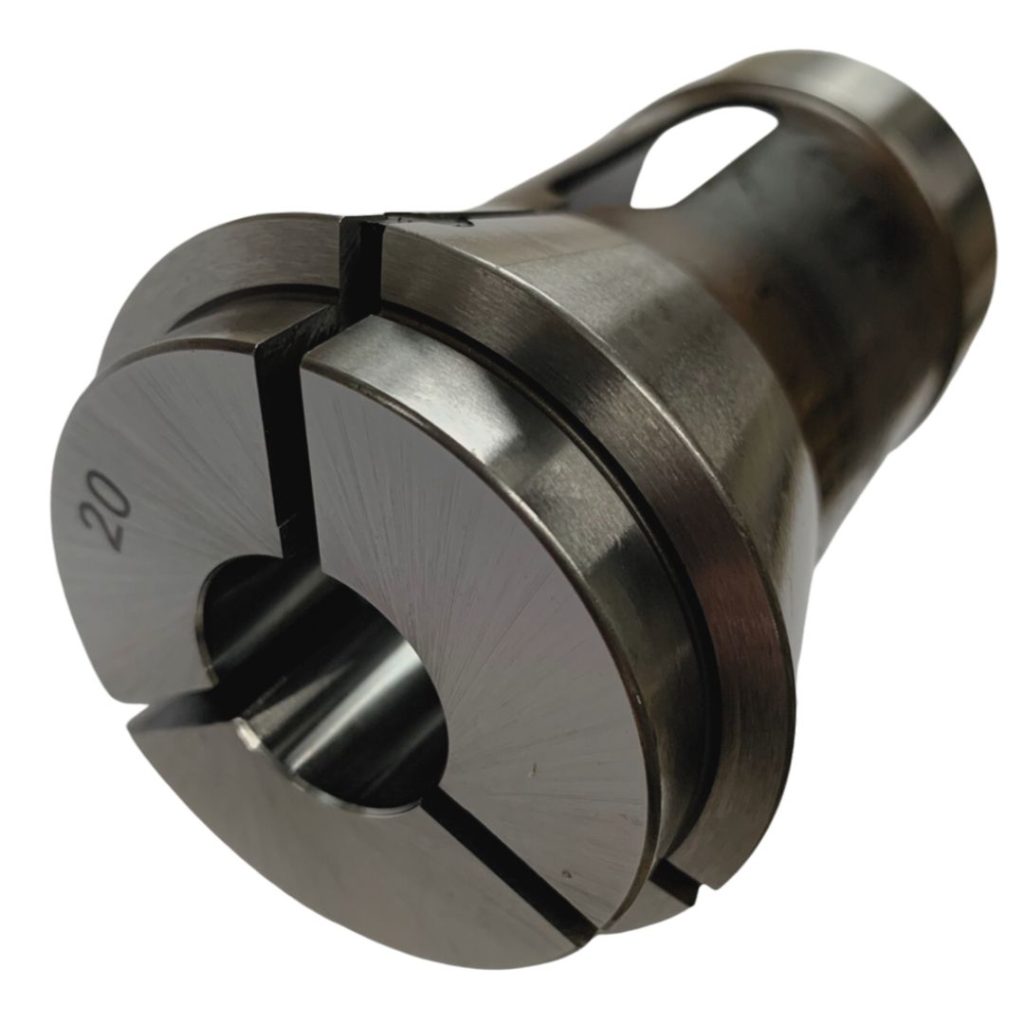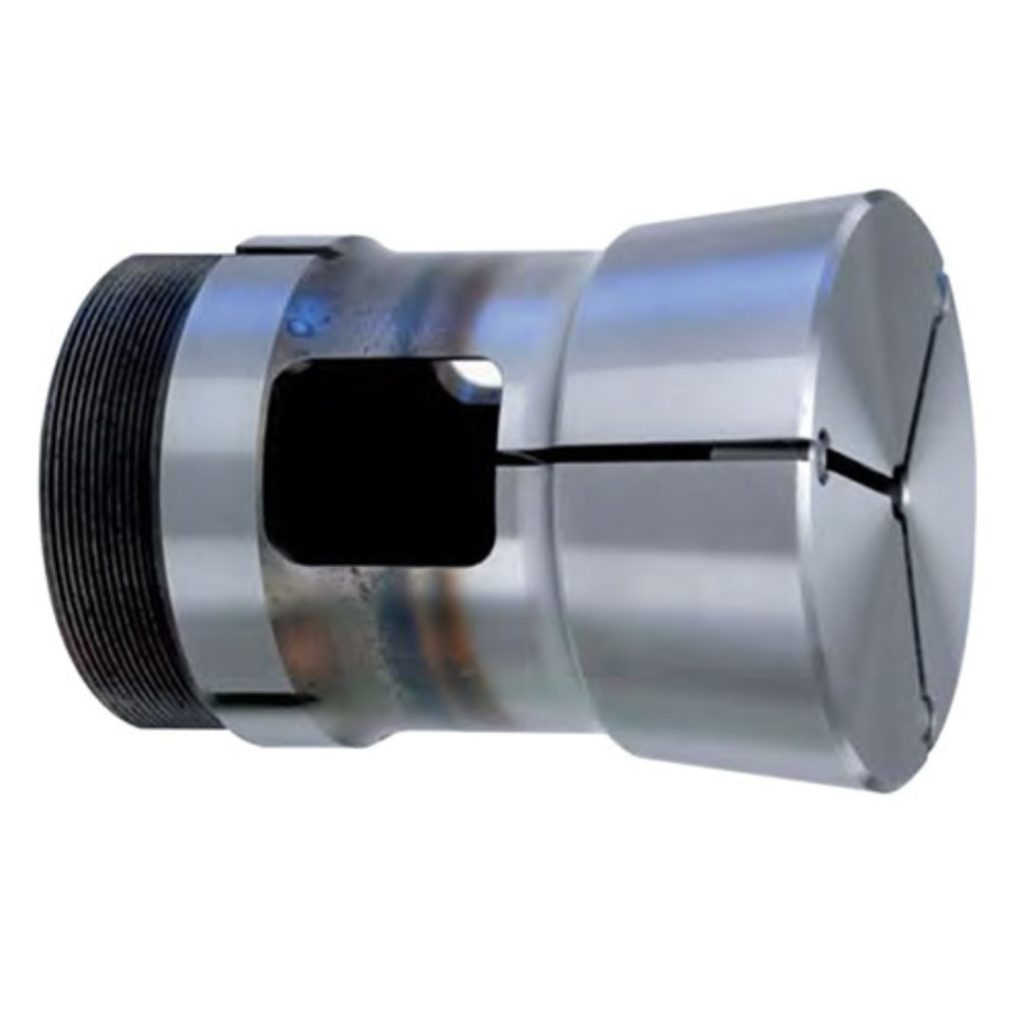
In industrial machining, collets might seem like small components, but they play a huge role in accuracy and efficiency. They hold workpieces firmly, maintain concentricity, and directly affect the quality of every cut.
Over time, even high-quality Collets like Er collets, A-25 Collets, A-42 Collets, 161E Collets, and DIN 6343 Collets experience wear. Knowing when to replace them is key to avoiding production errors, tool damage, and downtime.
Understanding Collet Wear
Collets go through constant clamping and unclamping, which naturally causes wear. Signs that a collet needs replacing include:
- Weak grip leading to slippage
- Increased runout affecting precision
- Surface scratches, nicks, or corrosion
- Difficulty inserting or removing workpieces
Using worn collets can result in inconsistent machining, shortened tool life, and even damage to your CNC spindle. That’s why top Collet manufacturers recommend regular inspections and timely replacements.
Factors That Affect Collet Lifespan
How often you need to replace a collet depends on a few important factors:
Frequency of Use
Collets in high-volume production wear out faster due to repeated cycles. A collet used every day for multiple shifts may need replacing more often than one used occasionally.
Material and Coating
High-quality Er collets or Traub collets often have protective coatings that resist wear and corrosion. These coatings—like black oxide or titanium nitride—help extend the collet’s life, but they don’t make it invincible.
Workpiece Material
Hard or abrasive materials, such as stainless steel or composites, put more stress on collets than softer materials like aluminum, causing them to wear out faster.
Maintenance and Handling
Proper handling and regular cleaning go a long way. Over-tightening or leaving chips and coolant inside the collet can accelerate wear. Cleaning your collets and collet chucks regularly, such as CNC collet chucks, helps maintain smooth performance and longer service life.
Recommended Replacement Intervals
Exact timing depends on your usage, but here are some general guidelines:
- High-volume industrial use: Inspect monthly, replace every 6–12 months
- Moderate use: Inspect quarterly, replace every 12–18 months
- Low-volume or specialty use: Inspect twice a year, replace every 18–24 months
Even if your collets haven’t reached the scheduled replacement time, signs of wear—like poor grip or visible damage—mean it’s time to replace them.
Choosing the Right Replacement Collets
When replacing collets, quality matters. Low-grade replacements may wear out quickly or affect machining precision. Trusted collet manufacturer in india like Collet manufacturers provide precision-engineered options that last longer and perform consistently.
Different collets suit different applications:
- Traub collets – high-precision turning
- DIN 6343 Collets – industrial, heavy-duty operations
- A-25 Collets & A-42 Collets – specialized machining
- 161E Collets – reliable for precision tasks
Matching the collet to your application ensures consistent results. You can explore options like Traub collets and DIN 6343 Collets to find the right fit for your machinery.
Tips to Extend Collet Life
Clean regularly – remove chips, coolant, and debris after every shift.
Handle carefully – avoid dropping or forcing collets into the chuck.
Avoid over-tightening – excessive torque can deform the collet.
Invest in quality – precision-engineered collets last longer and perform better.
Rotate collets – if possible, use multiple collets alternately to distribute wear evenly.
These simple practices can reduce wear and delay the need for replacements.
Why Timely Replacement Matters
Worn collets don’t just affect part quality—they can reduce tool life, damage your spindle, and increase downtime. Replacing them on time:
- Maintains machining accuracy and concentricity
- Reduces workpiece slippage and scrap
- Extends cutting tool life
- Keeps CNC machines running smoothly
By investing in high-quality replacement collets, industrial operations can stay productive, precise, and efficient.
Final Thoughts
Collets may be small, but their role in industrial machining is enormous. Keeping an eye on wear and replacing them on time ensures consistent results and smooth operations. Regular inspections, proper maintenance, and sourcing from trusted Collet manufacturers or a reliable collet manufacturer in india make a big difference.
Whether it’s Er collets, A-25 Collets, 161E Collets, or DIN 6343 Collets, using high-quality replacements ensures your machining stays precise, productive, and reliable for years to come. Proper collet care isn’t just maintenance—it’s an investment in quality.