
Choosing between Mechanical and Hydraulic Tool Holding Systems is not always straightforward. Both systems are designed to hold cutting tools securely during machining operations. However, their performance can vary depending on the application, workpiece material, cutting parameters, and accuracy requirements.
Many machine shops focus only on spindle speed, cutting tools, or machine capability. They often overlook the impact of the tool holding system. In reality, the wrong tool holder can reduce productivity, shorten tool life, and affect part quality.
If you want better machining performance, understanding the differences between mechanical and hydraulic tool holding systems is essential.
Why Tool Holding Selection Matters More Than Most Machine Shops Realize?
The tool holder acts as the connection between the machine spindle and the cutting tool. Any instability at this point can affect the entire machining process.
A high-quality tool holding system helps:
- Reduce runout.
- Improve cutting stability.
- Extend tool life.
- Enhance surface finish.
- Increase machining accuracy.
- Minimize vibration.
Many manufacturers invest heavily in premium CNC machines. However, they fail to achieve the expected results because of poor tool holding performance.
Modern CNC tool holding systems are designed to address these challenges and improve machining consistency.
Signs Your Current Tool Holding System Is Limiting Performance
Machine shops often blame cutting tools when problems occur. In many cases, the actual issue is the tool holder.
Here are some common warning signs.
1. Frequent Tool Slippage
If cutting tools move during machining, the clamping force may not be sufficient. This can lead to dimensional errors and damaged components.
2. Poor Surface Finish
Visible tool marks, chatter patterns, and rough surfaces often indicate excessive vibration or poor tool stability.
3. Short Tool Life
Excessive runout can create uneven cutting loads. This causes certain cutting edges to wear faster than others.
4. Excessive Vibration
Vibration affects both tool performance and machine health. Over time, it can increase maintenance costs.
5. Inconsistent Machining Results
If part quality varies from batch to batch, your tool holding system may not be providing consistent clamping performance.
Ignoring these warning signs can reduce productivity and increase operating costs.
Mechanical vs Hydraulic Tool Holding Systems: Quick Answer
If you need a quick recommendation, the answer depends on your machining goals.
| Requirement | Recommended Solution |
|---|---|
| High Precision Machining | Hydraulic Tool Holder |
| Excellent Surface Finish | Hydraulic Tool Holder |
| Heavy Material Removal | Mechanical Tool Holder |
| Strong Gripping Force | Mechanical Tool Holder |
| High-Speed Finishing | Hydraulic Tool Holder |
| Cost-Conscious Operations | Mechanical Tool Holder |
Both systems have advantages. The best choice depends on the specific machining application.
How Mechanical Tool Holding Systems Work?
Mechanical tool holding systems use physical clamping mechanisms to secure cutting tools. These systems typically rely on collets, nuts, and precision-machined gripping components.
Mechanical holders are among the most widely used tool holding solutions in CNC machining.
Products such as collet chucks and ER collets are common examples of mechanical tool holding systems.
Major Advantages of Mechanical Tool Holders
- Strong gripping force.
- Excellent reliability.
- Suitable for heavy-duty cutting.
- Lower initial investment.
- Easy availability.
- Wide machine compatibility.
Mechanical systems perform exceptionally well during roughing operations where cutting forces are high.
Potential Limitations
- Limited vibration dampening.
- Surface finish may be affected during high-speed machining.
- Runout performance depends heavily on component quality.
- Tool life can be shorter in demanding applications.
Despite these limitations, mechanical holders remain the preferred choice for many production environments because of their durability and cost-effectiveness.
How Hydraulic Tool Holding Systems Work?
Hydraulic tool holders use a pressurized hydraulic chamber to clamp the cutting tool uniformly around its shank.
Unlike traditional mechanical systems, hydraulic holders distribute clamping pressure evenly. This improves concentricity and reduces tool deflection.
The hydraulic fluid inside the holder also helps absorb vibration generated during machining.
Major Advantages of Hydraulic Tool Holders
- Excellent runout accuracy.
- Superior vibration dampening.
- Improved surface finish quality.
- Longer cutting tool life.
- Better machining consistency.
- Faster setup and tool changes.
Hydraulic holders are widely used in industries where precision is critical. These industries include aerospace, medical manufacturing, mold making, and high-performance CNC machining.
Potential Limitations
- Higher initial investment.
- Not always necessary for basic machining operations.
- May not be ideal for aggressive roughing applications.
However, when machining accuracy and surface finish are top priorities, hydraulic tool holders often deliver superior performance.
Mechanical vs Hydraulic Tool Holding Systems: Head-to-Head Comparison
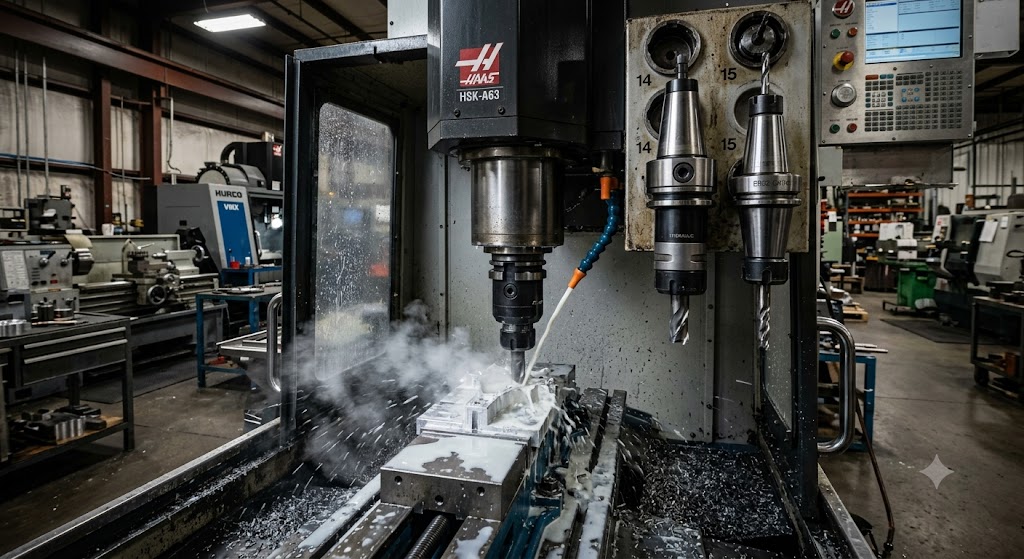
Many buyers compare only price when evaluating tool holders. A better approach is to compare actual machining performance.
The most important comparison factors include:
- Clamping force.
- Runout accuracy.
- Vibration control.
- Surface finish quality.
- Tool life.
- Maintenance requirements.
- Long-term operating costs.
Understanding these factors will help you select the right solution for your machining environment.
Clamping Force Comparison
Clamping force determines how securely a cutting tool remains in position during machining.
Mechanical tool holders are known for their strong gripping capability. This makes them highly effective for heavy cutting operations and aggressive material removal.
Hydraulic holders provide uniform clamping pressure around the entire tool shank. This improves stability and precision.
The importance of gripping performance can also be seen in studies related to clamping force in collets, where proper holding strength directly affects machining accuracy.
Runout Accuracy Comparison
Runout is one of the most important factors in precision machining. Even a small amount of runout can affect tool performance and part quality.
Excessive runout can cause:
- Poor surface finish.
- Uneven tool wear.
- Reduced dimensional accuracy.
- Tool breakage.
- Higher production costs.
Hydraulic tool holders are known for excellent runout accuracy. The hydraulic chamber applies pressure evenly around the tool shank. This creates superior concentricity and stable cutting conditions.
Mechanical holders can also achieve excellent accuracy when paired with premium-quality collets and holders. However, their performance often depends on proper setup and component quality.
Manufacturers focused on tight tolerances often prioritize tool holding systems that minimize runout and maintain consistency throughout long production runs.
Vibration Dampening Comparison
Machining vibration is a major cause of tool wear and poor surface quality.
When vibration increases, machine shops often experience:
- Chatter marks.
- Poor finishes.
- Shorter tool life.
- Lower machining speeds.
- Reduced productivity.
Hydraulic holders offer a clear advantage in this area. The hydraulic fluid absorbs a significant portion of cutting vibrations before they reach the spindle.
Mechanical holders provide excellent rigidity but generally offer less vibration dampening. As cutting speeds increase, this difference becomes more noticeable.
This is one reason why hydraulic systems are commonly selected for finishing operations and high-speed machining applications.
Surface Finish Quality
Surface finish quality directly impacts the final appearance and functionality of machined parts.
Industries such as aerospace, medical manufacturing, and mold making often require extremely smooth finishes.
Hydraulic holders typically produce better surface finishes because they reduce vibration and maintain consistent cutting conditions.
Mechanical holders can still achieve excellent results when properly maintained and paired with precision tooling.
The relationship between tool holding performance and finish quality is similar to the influence of collet selection on surface finish and tolerance.
Tool Life Comparison
Tool life has a direct impact on machining costs.
Frequent tool replacement increases:
- Production downtime.
- Tooling expenses.
- Machine setup time.
- Labor costs.
Hydraulic holders often extend tool life by reducing vibration and improving cutting stability.
Mechanical holders excel in demanding roughing applications where maximum gripping force is required.
In many production environments, the best choice depends on whether precision or heavy material removal is the primary objective.
Maintenance Requirements
Maintenance is another important consideration.
Mechanical holders generally require less maintenance and are easier to service.
Hydraulic holders require proper handling and periodic inspection to ensure long-term performance.
Regardless of the holder type, regular cleaning and inspection are essential.
Following proper collet chuck maintenance practices can significantly improve tool holding performance and longevity.
Which Tool Holding System Performs Better for Different Materials?
Different materials create different machining challenges. Selecting the right tool holder can improve productivity and machining quality.
| Material | Recommended Tool Holding System |
|---|---|
| Aluminum | Hydraulic |
| Titanium | Hydraulic |
| Inconel | Hydraulic |
| Stainless Steel | Hydraulic or Mechanical |
| Mild Steel | Mechanical |
| Cast Iron | Mechanical |
The final decision should also consider cutting speed, depth of cut, spindle capability, and production volume.
Best Choice for Common CNC Applications
High-Speed Machining
Hydraulic holders are often preferred because of their vibration dampening capabilities.
Heavy Roughing Operations
Mechanical holders typically perform better due to their strong gripping force.
Aerospace Components
Hydraulic systems are commonly selected for high-precision machining requirements.
Medical Manufacturing
Superior surface finish and dimensional accuracy make hydraulic holders a popular choice.
Automotive Production
Both systems can be effective depending on the application and production requirements.
Hidden Costs of Choosing the Wrong Tool Holder
Many machine shops focus only on the purchase price of the holder.
However, selecting the wrong system can create hidden costs such as:
- Increased tool consumption.
- More rejected parts.
- Higher machine downtime.
- Reduced spindle life.
- Poor production efficiency.
- Lower customer satisfaction.
These expenses often exceed the initial cost difference between mechanical and hydraulic systems.
5 Questions to Ask Before Investing in a Tool Holding System
- What level of machining accuracy is required?
- Will the operation involve roughing or finishing?
- What materials will be machined most frequently?
- What is the expected production volume?
- What is the total cost of ownership over time?
Answering these questions can help identify the most suitable tool holding solution.
Expert Recommendations from Sikka Sales Corporation
Selecting the right tool holding system requires more than comparing specifications. Every machining operation has unique requirements.
Sikka Sales Corporation has extensive experience supporting precision machining applications through high-quality collets and tool holding solutions.
Sikka Precision Technologies is a professionally operated and owned company that manufactures high-quality precision collets using premium-grade steel. The company focuses on delivering reliable performance, durability, and machining accuracy for industrial applications.
Sikka Sales Corporation
31/3F, Street No-1, Anand Parbat Industrial Area, New Delhi – 110005, India
Phone: +91-981-004-6365
Google Map Location:
https://maps.app.goo.gl/iU6Ne2WKYp5DRZkP6
Manufacturers looking for dependable workholding and tool holding solutions can benefit from selecting components designed for long-term machining performance.
Why Precision Collets Still Play a Critical Role in Tool Holding Performance?
Even the best tool holder cannot deliver optimal performance with low-quality collets.
Precision collets contribute to:
- Better gripping force.
- Reduced runout.
- Improved accuracy.
- Longer tool life.
- Consistent machining results.
Many successful machine shops combine advanced holders with premium high-performance collets to maximize machining efficiency.
Final Verdict: Mechanical or Hydraulic Tool Holding Systems?
Choosing Between Mechanical and Hydraulic Tool Holding Systems depends on your production goals.
If your priority is precision, surface finish, and vibration control, hydraulic holders are often the better choice.
If your focus is heavy-duty machining, strong gripping force, and lower investment costs, mechanical holders remain an excellent option.
The best solution is the one that aligns with your machining requirements, workpiece materials, and productivity targets.
By evaluating performance rather than purchase price alone, manufacturers can make a smarter long-term investment.
Frequently Asked Questions
Which is better, mechanical or hydraulic tool holding systems?
The answer depends on the application. Hydraulic systems excel in precision machining, while mechanical systems are often preferred for heavy-duty cutting.
Do hydraulic holders improve surface finish?
Yes. Their vibration dampening properties help produce smoother finishes.
Are hydraulic holders suitable for rough machining?
They can be used for certain roughing operations, but mechanical holders are often preferred for aggressive cutting.
Which holder provides better runout accuracy?
Hydraulic holders generally provide superior runout performance.
How important is clamping force in machining?
Proper clamping force helps prevent tool movement, improves stability, and enhances machining accuracy.
Can high-quality collets improve tool holder performance?
Yes. Precision collets play a major role in achieving accuracy, grip strength, and consistent machining results.