
Understanding collet fatigue in high-production environments is important for manufacturers who want to maintain precision, reduce tooling costs, and avoid unexpected machine downtime. Even a small reduction in gripping force can affect machining quality and production efficiency.
In modern manufacturing, productivity depends on consistency. CNC machines often operate for long hours with minimal downtime. In these demanding conditions, collets play a critical role in maintaining machining accuracy and tool stability. However, repeated use can gradually lead to a condition known as collet fatigue.
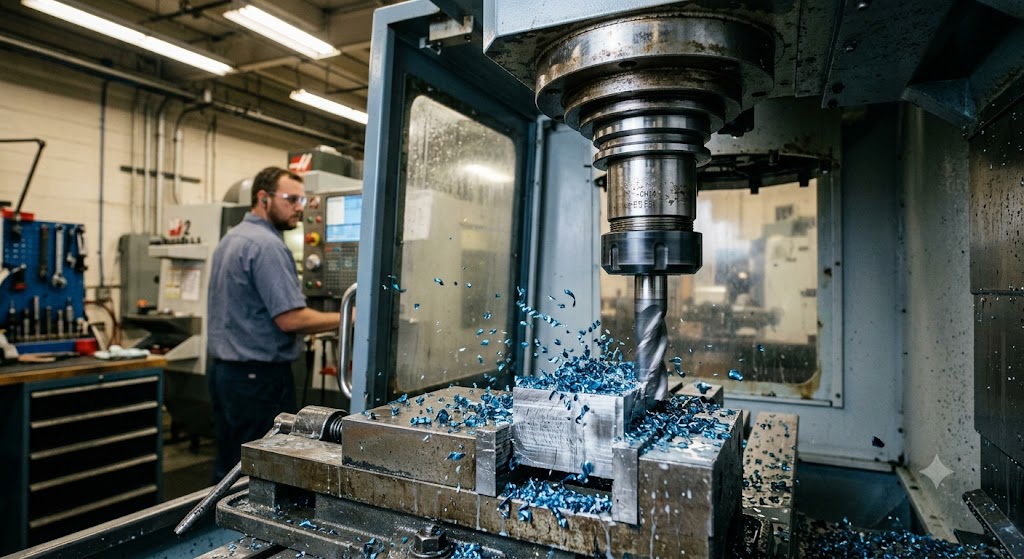
What Is Collet Fatigue?
Collet fatigue refers to the gradual loss of elasticity and gripping performance caused by repeated clamping and unclamping cycles. Every time a collet expands and contracts, it experiences stress. Over time, this repeated stress can weaken the material.
A collet is designed to provide secure and uniform clamping. As fatigue develops, the collet may no longer return to its original shape. This can reduce gripping force and increase the risk of machining errors.
Manufacturers using ER collets, DIN collets, and other precision workholding systems should regularly monitor their condition to prevent performance issues.
Why Collet Fatigue Develops Faster in High-Production Environments?
Understanding collet fatigue in high-production environments requires looking at the daily operating conditions of modern machine shops.
Repeated Clamping Cycles
High-volume production often involves hundreds of tool changes every day. Each clamping cycle places stress on the collet. Over thousands of cycles, fatigue begins to develop.
High-Speed Machining
Modern CNC machines operate at high spindle speeds. This increases vibration and dynamic loads. Continuous exposure to these conditions can accelerate wear and fatigue.
Heat Generation
Cutting operations generate heat. Thermal expansion and contraction place additional stress on the collet material. Over time, this contributes to fatigue-related failures.
Heavy Cutting Loads
Aggressive machining operations place greater forces on the tool holding system. Poor-quality collets are especially vulnerable under these demanding conditions.
Common Signs of Collet Fatigue
Early identification is essential. Understanding collet fatigue in high-production environments can help manufacturers prevent costly downtime.
| Warning Sign | Possible Effect |
|---|---|
| Increased runout | Reduced machining accuracy |
| Tool slippage | Damage to workpieces and tools |
| Excessive vibration | Poor surface finish |
| Uneven clamping | Dimensional inconsistencies |
| Frequent tool breakage | Higher production costs |
If any of these symptoms appear, operators should inspect the collet immediately.
How Collet Fatigue Affects Machining Performance?
Many manufacturers underestimate the impact of collet fatigue. The consequences can be significant.
Reduced Accuracy
A fatigued collet may not hold the tool concentrically. This creates runout and affects dimensional accuracy.
Poor Surface Finish
Vibration caused by weakened gripping force often results in poor surface quality. This may require rework or part rejection.
Shorter Tool Life
Improper clamping places additional stress on cutting tools. This can lead to premature wear and breakage.
Machine Downtime
Unexpected collet failures can stop production and increase maintenance costs.
Manufacturers looking to improve reliability often invest in high-quality CNC tool holding systems that provide consistent gripping performance under demanding conditions.
Collet Fatigue vs Normal Wear
Many operators confuse fatigue with regular wear.
| Normal Wear | Collet Fatigue |
|---|---|
| Visible surface damage | Internal structural weakening |
| Gradual material loss | Loss of elasticity |
| Easy to identify | Often develops unnoticed |
| Usually external | Affects gripping performance |
Understanding this difference helps maintenance teams create better replacement schedules.
Industries Most Affected by Collet Fatigue
Understanding collet fatigue in high-production environments is especially important in industries that rely on precision machining.
- Automotive manufacturing
- Aerospace engineering
- Medical device production
- Mold and die manufacturing
- Precision engineering workshops
These industries require tight tolerances and cannot afford inaccuracies caused by worn-out collets.
Best Practices to Prevent Collet Fatigue
Perform Regular Inspections
Inspect collets for cracks, deformation, and wear. Small defects can quickly become major problems.
Clean Collets Frequently
Dirt and debris affect gripping performance. Follow proper collet handling and cleaning practices to maximize service life.
Use Correct Torque Values
Over-tightening can accelerate fatigue. Always follow manufacturer recommendations.
Replace Collets on Schedule
Waiting for visible failure can be costly. Preventive replacement is often more economical than emergency downtime.
Choose High-Quality Collets
The quality of raw materials and manufacturing processes directly affects fatigue resistance. Selecting precision-engineered collets helps maintain stable performance in demanding environments.
The Importance of Premium Collets in High-Volume Production
Premium collets are manufactured using high-quality steel and strict quality control processes. They maintain elasticity for longer periods and provide more consistent clamping force.
Manufacturers that rely on continuous production often benefit from investing in durable high-performance collets for precision machining. Better tool holding leads to improved accuracy, lower maintenance costs, and reduced downtime.
Businesses operating CNC machining centers can also improve efficiency by selecting the right collet for their machining needs.
Why Manufacturers Trust Sikka Precision Technologies?
Sikka Precision Technologies is a professionally operated and owned company producing high-quality precision collets for demanding industrial applications. The company uses premium-grade steel to manufacture a wide range of precision-engineered products designed for reliability and long service life.
With decades of manufacturing expertise, the company supports industries that require consistent machining performance and dependable workholding solutions.
Sikka Sales Corporation
31/3F, Street No-1, Anand Parbat Industrial Area, New Delhi – 110005, India
Phone: +91-981-004-6365
Google Map Location Listing Of Best Collets Manufacturer
Conclusion
Understanding collet fatigue in high-production environments is essential for maintaining machining accuracy and production efficiency. Fatigue develops gradually through repeated clamping cycles, heat exposure, vibration, and heavy machining loads. If left unchecked, it can lead to tool slippage, poor surface finish, increased downtime, and higher operating costs.
Regular inspection, proper maintenance, and the use of high-quality collets can significantly reduce fatigue-related issues. Manufacturers who prioritize preventive maintenance and invest in premium workholding solutions are better positioned to achieve consistent results and long-term productivity.
Frequently Asked Questions
How long does a CNC collet last in a production environment?
The lifespan depends on operating conditions, clamping frequency, maintenance practices, and machining loads. High-production environments generally require more frequent inspection and replacement.
What is the most common sign of collet fatigue?
Increased runout and tool slippage are among the earliest indicators of fatigue.
Can collet fatigue damage cutting tools?
Yes. Reduced gripping force can create vibration and instability, leading to premature tool wear and breakage.
How often should collets be inspected?
Collets used in high-volume production should be inspected regularly as part of a preventive maintenance program.
Does heat contribute to collet fatigue?
Yes. Repeated heating and cooling cycles can accelerate material fatigue and reduce elasticity over time.