In collets, the way a tool is held can make all the difference between a flawless part and one that’s out of tolerance. Two common options dominate the shop floor: collets and tool holders.
Both are designed to keep tools secure, but they work differently, and each has its own strengths when it comes to grip, accuracy, and application. Let’s take a closer look at what sets them apart.
What Makes Collets Stand Out
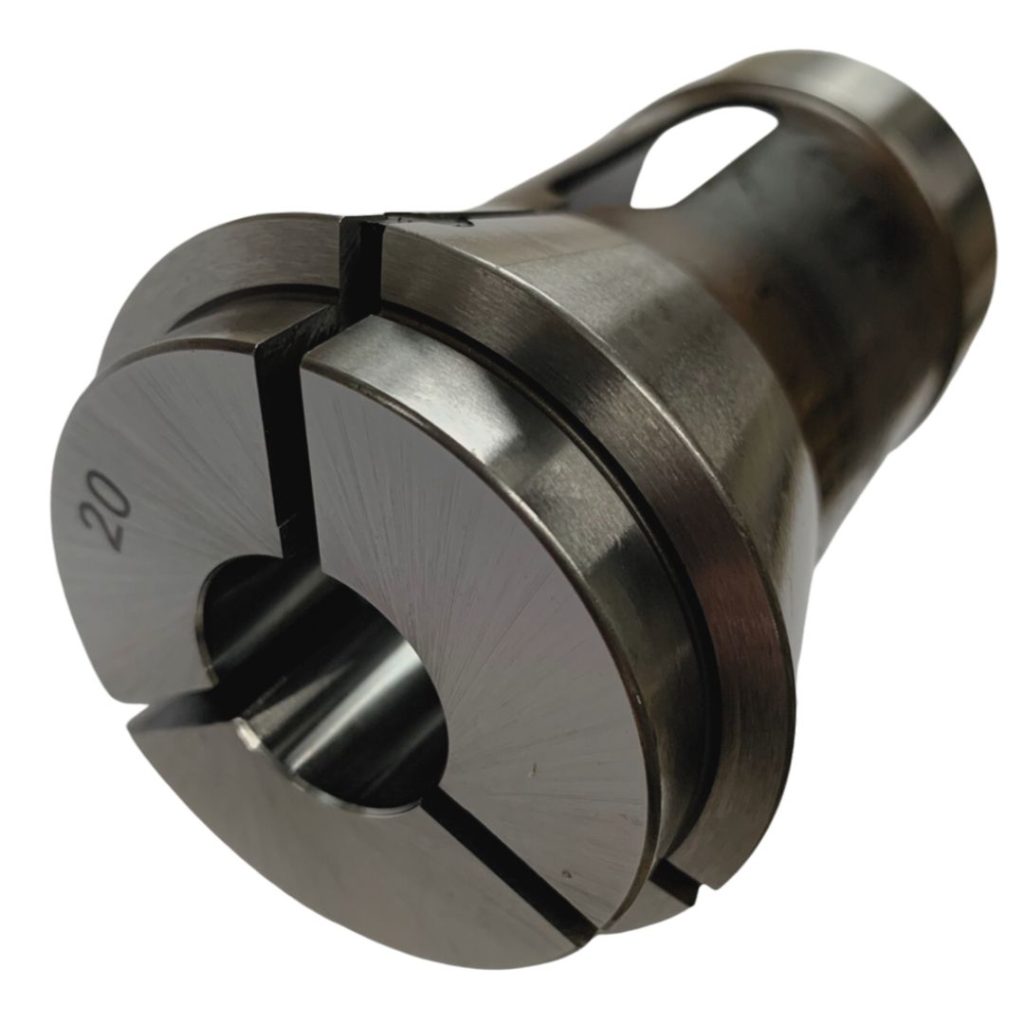
Collets are like a snug sleeve around the tool. When tightened, they apply even pressure all around the tool shank, holding it firmly in place. This even grip is what makes them popular in high-precision operations.
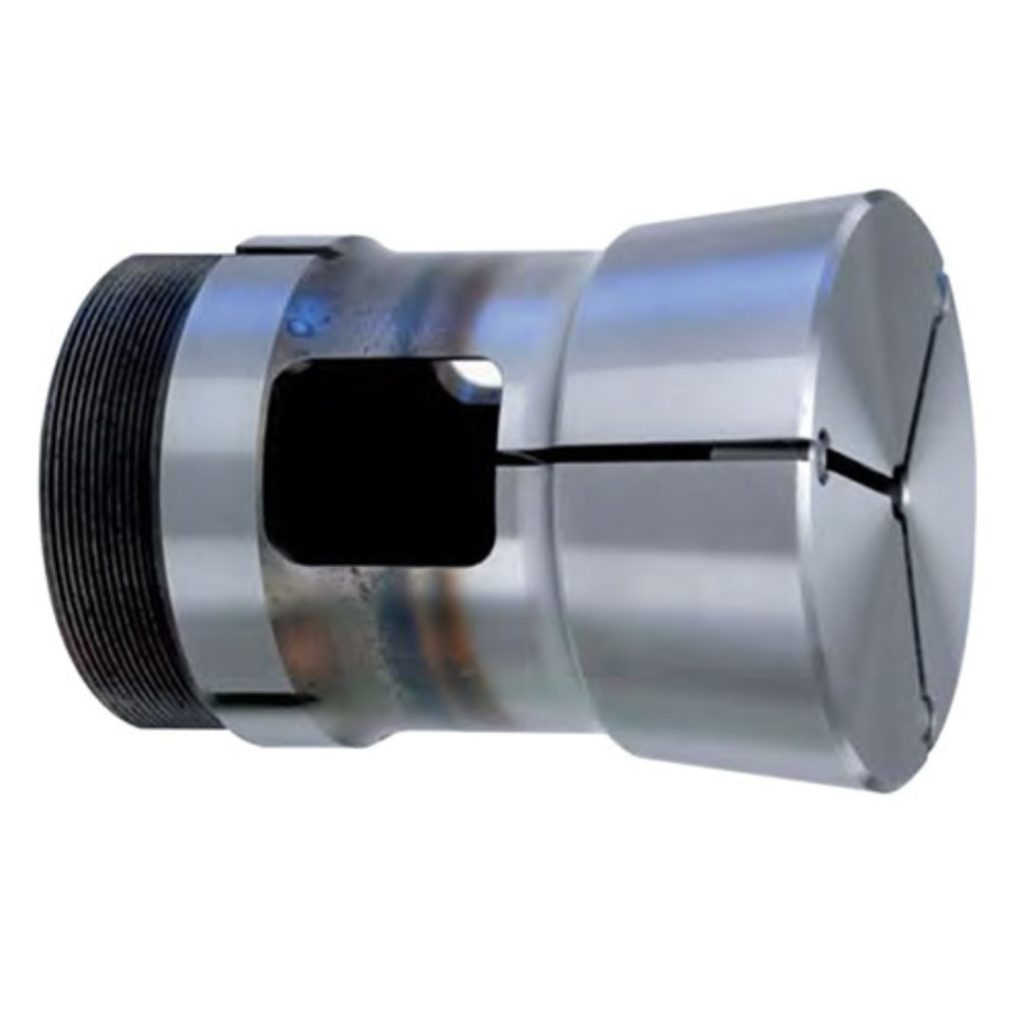
Leading Collet manufacturers focus on creating collets that stay precise and consistent over time. Popular choices like Traub collets, Din collets, and Er collets are designed to handle a range of tool sizes and machining requirements, offering reliable grip and minimal runout.
Because collets hold tools evenly, they reduce vibrations and tool wobble. This not only improves surface finish but also extends the life of cutting tools, making collets a favorite in industries like aerospace, electronics, and medical device manufacturing where precision is critical.
How Tool Holders Compare
Tool holders, in contrast, clamp tools using set screws, clamps, or tapered interfaces. They are robust and versatile, capable of handling larger tools and heavier loads. While tool holders are excellent for roughing and heavy-duty operations, they usually have slightly more runout compared to collets because the gripping force isn’t distributed evenly around the tool.
This doesn’t mean they’re inaccurate — for many applications, tool holders provide plenty of precision. Their biggest advantage is versatility and ease of tool change, which is important in high-volume production or when switching between multiple tool sizes.
Grip Strength: Collets vs Tool Holders
Grip strength is a key factor in preventing slippage during machining. Collets excel here because they apply uniform pressure across the entire tool. For example, Er collets maintain a secure grip even under heavy milling or drilling loads. Tool holders, while strong, focus pressure on specific points, which can allow minor movement in extreme cases. For high-precision work, collets clearly have the edge.
Accuracy and Runout
When it comes to precision, collets generally outperform tool holders. With symmetrical clamping, tools remain concentric and runout is minimal. That’s why Din collets are often chosen for finishing operations and delicate machining, where even tiny misalignments can affect the final product. Tool holders remain accurate but may show slight variations that matter less in roughing but more in finishing.
Ease of Use and Flexibility
Tool holders are versatile and can accommodate different tool types and sizes with minimal adjustments. Collets, while a bit less flexible in terms of diameter ranges, offer unmatched repeatability. Combining collets with CNC collet chucks gives a great balance: fast tool changes plus high accuracy, perfect for setups requiring both efficiency and precision.
Choosing the Right Collet Manufacturer
Not all collets are created equal. A reliable collet manufacturer in India ensures consistent material quality, heat treatment, and precision grinding. Working with experienced manufacturers guarantees collets that perform consistently, resist wear, and maintain grip under stress.
Final Thoughts
Collets and tool holders both have their place on the shop floor. Collets, like Traub collets, Din collets, and Er collets, shine when grip, concentricity, and precision matter most. Tool holders are better for heavy-duty operations and versatility.
For operations where accuracy and stability are critical, investing in high-quality collets from trusted collet manufacturers, paired with CNC collet chucks, ensures tools stay secure, parts come out precise, and production runs smoothly. Choosing the right system for your needs helps maximize productivity, minimize tool wear, and deliver consistently excellent results.