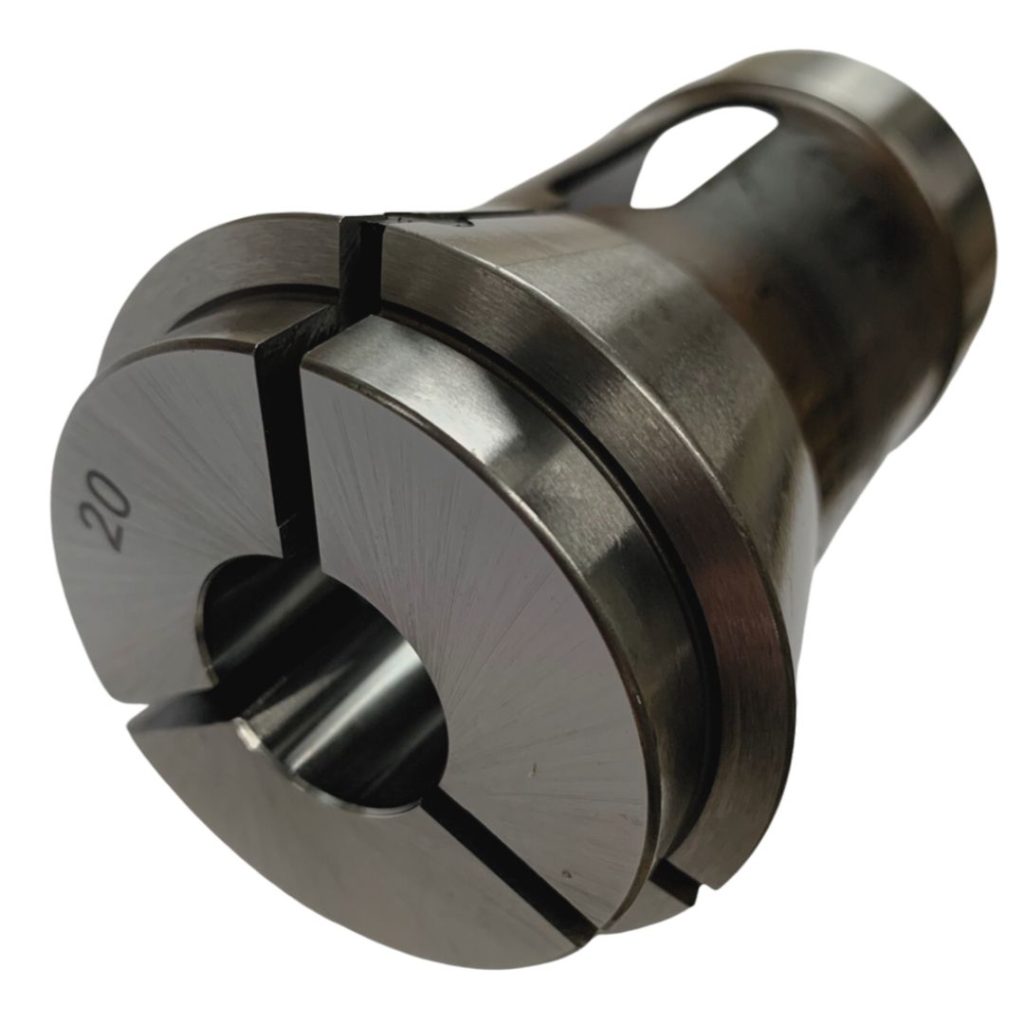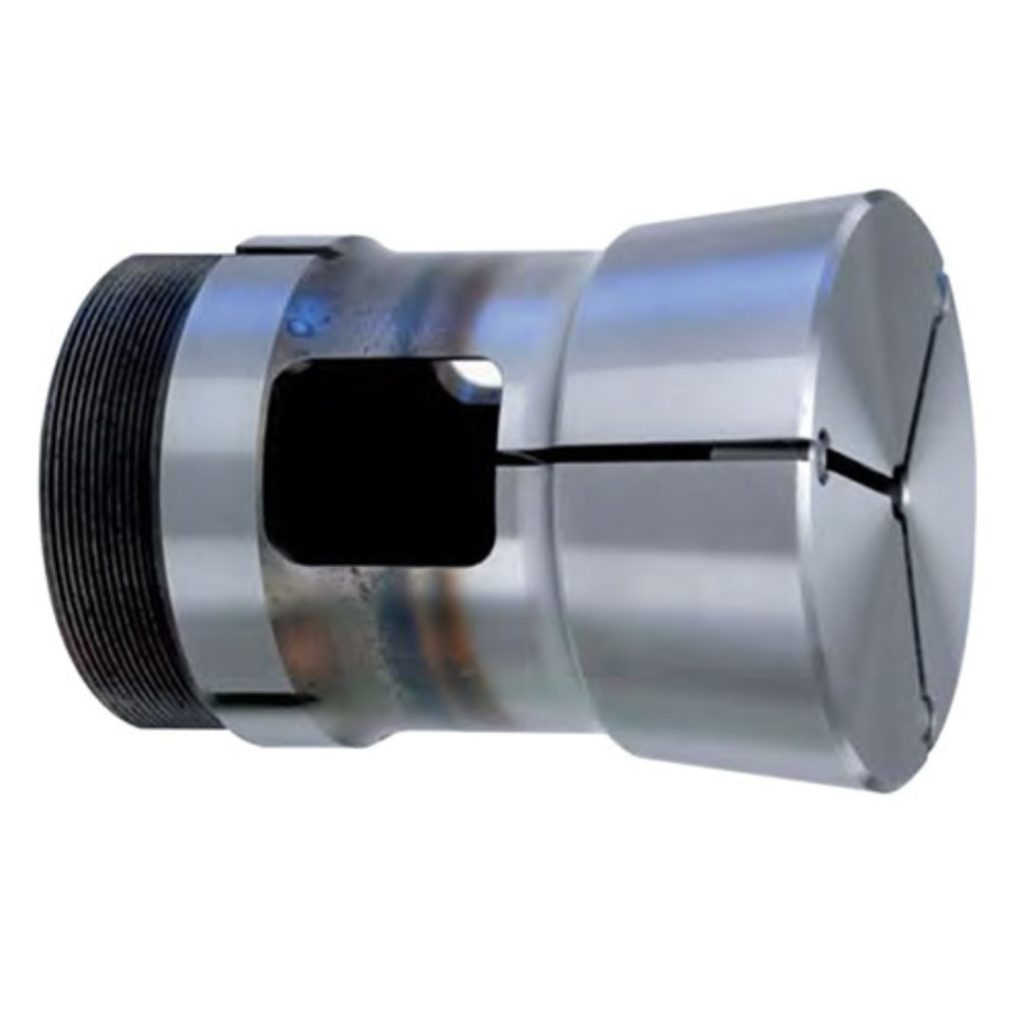
In CNC machining, precision is everything. Even a small mistake in tool holding can lead to bigger problems, from poor product quality to increased costs. One factor that’s often overlooked is the collet.
Using the wrong collet in your CNC machine might seem minor, but it can create a range of issues that impact your tools, machines, and finished workpieces.
Experienced machinists and collet manufacturers always stress the importance of picking the right collet. It’s Traub collets for automatic lathes, DIN collets for standardized precision, or ER collets for versatile milling and drilling, using the correct type is crucial for smooth operations.
Trusted suppliers like Sikka Collets & Accessories, a leading collet manufacturer in India, offer high-quality solutions to meet these needs.
Poor Tool Grip and Reduced Accuracy
The most immediate issue when using the wrong collet is poor tool holding. A collet that doesn’t fit the tool shank properly can slip during operation. This causes:
- Misaligned tools
- Inaccurate cuts and drills
- Uneven surface finishes
Even minor misalignments can ruin a workpiece, especially in high-precision tasks. Investing in the right collets ensures your tools stay steady, producing consistent results every time.
Faster Tool Wear and Breakage
An incorrect collet often exerts uneven pressure on the tool. Over time, this can lead to excessive wear or even tool breakage. ER collets, for example, are designed to distribute pressure evenly, protecting your tools.
Using the wrong size or type negates this benefit, increasing costs as tools need frequent replacement and downtime rises.
Increased Vibration and Chatter
Vibration and chatter are common symptoms of an improperly held tool. If a collet is too loose or too tight, it can cause the tool to wobble. This not only affects surface finish but also puts stress on the CNC machine spindle.
Machines running at high speeds are especially vulnerable. Choosing the correct collet, like DIN collets or properly sized Traub collets, ensures smooth, stable operation without vibration issues.
Reduced Efficiency and Productivity
Tool slippage or breakage slows down production. Operators must stop the machine to make adjustments or replace the tool, causing delays and reducing overall efficiency. Using the right collet minimizes interruptions and helps maintain a steady workflow.
Safety Concerns
Improper tool holding isn’t just a productivity issue—it’s a safety hazard. A slipping or breaking tool can injure operators or damage the machine. Reliable collets from trusted collet manufacturers are designed to hold tools securely, reducing these risks.
Damaged Workpieces
The wrong collet can also ruin your workpieces. Misalignment or slipping can create scratches, uneven cuts, or misplaced holes, leading to wasted materials. High-quality ER collets, DIN collets, and Traub collets maintain proper grip and precision, helping protect your workpieces and save costs.
Choosing the Right Collet
Preventing these problems starts with selecting the right collet for your tool, machine, and operation. Trusted collet manufacturers in India, like Sikka Collets & Accessories, offer a wide range of high-precision options:
- Traub collets for automatic lathes and high-speed production
- DIN 6343 collets for standardized, precision applications
- ER collets for versatile milling, drilling, and turning
These collets are manufactured with tight tolerances and high-quality materials to ensure consistency and reliability.
Conclusion
Using the wrong collet in CNC machines may seem like a small oversight, but it can have major consequences—from reduced accuracy and tool damage to vibration, lost productivity, and even safety risks.
Selecting the right collets, such as ER collets, DIN collets, or Traub collets, from a trusted collet manufacturer in India ensures smoother, safer, and more efficient machining.
Investing in high-quality collets from suppliers like Sikka Collets & Accessories protects your tools, machines, and workpieces, while maximizing productivity and precision in every operation.