
Expert Opinion Guide for Machine Owners, Operators & Production Managers
Computer Numerical Control (CNC) machines are the backbone of modern manufacturing. From automotive shafts to aerospace fittings and precision dies, CNC systems deliver repeatability, speed, and accuracy that manual machining cannot match.
However, even the most advanced CNC machines are not free from problems.
In this expert guide, we will explore the most common CNC problems, their root causes, warning signs, and practical solutions. This article is written with real shop-floor experience in mind and focuses on accuracy, productivity, and long-term machine health.
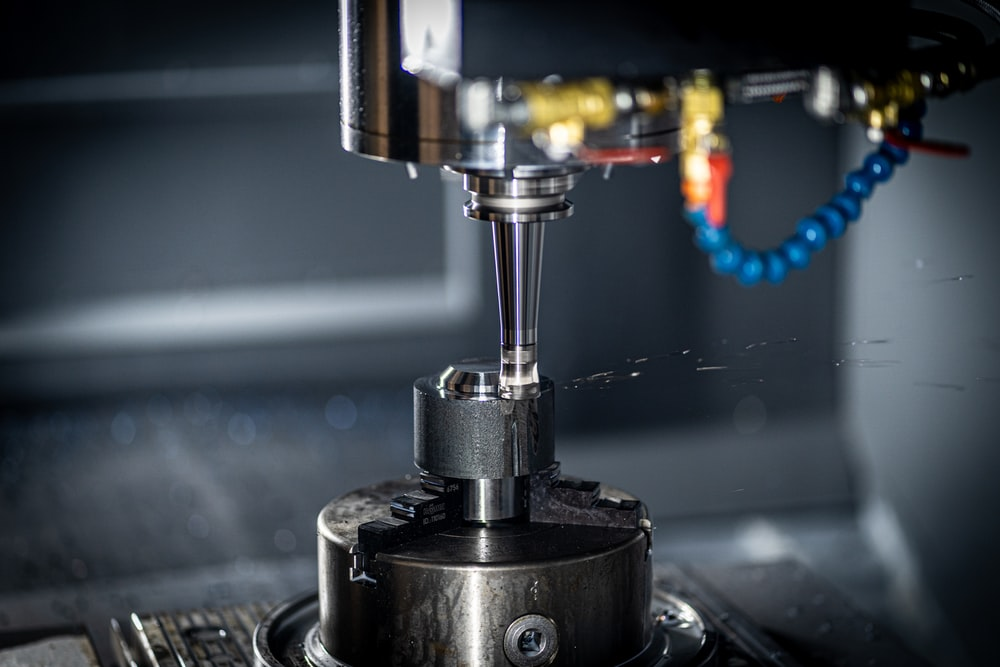
Tool Wear and Breakage
Why It Happens
Tool wear is one of the most frequent CNC issues. Over time, cutting tools lose sharpness due to heat, friction, and material hardness. Excessive spindle speed, wrong feed rate, or improper coolant flow accelerates this wear.
Tool breakage often occurs due to:
- Incorrect programming
- Excessive depth of cut
- Poor clamping
- Low-quality tool holders
How to Prevent It
- Use correct cutting parameters
- Monitor spindle load
- Replace tools before critical wear limits
- Ensure proper tool holding systems
Many workshops underestimate the importance of proper clamping systems. Poor-quality Collet chucks can cause vibration, misalignment, and uneven pressure on tools, increasing breakage risk.
Poor Surface Finish
Common Causes
If your CNC machine is producing rough or inconsistent surface finishes, the issue may be related to:
- Worn cutting tools
- Incorrect feed rates
- Spindle vibration
- Improper workholding
- Runout in collets
Surface finish issues are often early indicators of a larger alignment or tooling problem.
For example, when using systems like ER collets, proper tightening torque and concentric alignment are critical. Even minor runout can lead to chatter marks and dimensional inaccuracies.
Dimensional Inaccuracy
Why CNC Parts Go Out of Tolerance
Even though CNC machines are known for precision, several factors can cause dimensional variation:
- Thermal expansion of spindle or machine bed
- Backlash in lead screws
- Incorrect offset settings
- Improper calibration
- Tool deflection
Regular machine calibration and offset verification are essential. Shops that skip preventive maintenance often see tolerance drift over time.
Additionally, using standardized holding systems like Din collets helps maintain uniformity, especially in operations requiring strict dimensional consistency.
Machine Vibration and Chatter
Understanding the Root Problem
Chatter is a vibration problem that affects both surface quality and tool life. It usually happens due to:
- Improper clamping
- Long tool overhang
- Worn spindle bearings
- Loose fixtures
- Imbalanced tool holders
Chatter reduces tool life and may even damage machine components.
Practical Solution:
- Shorten tool projection
- Check spindle health
- Improve workholding rigidity
- Use balanced tooling systems
Ignoring vibration can lead to spindle bearing failure, which is one of the costliest CNC repairs.
Programming Errors
Human Errors Still Matter
Even with advanced CAM software, programming mistakes remain common.
Typical issues include:
- Incorrect G-code
- Wrong coordinate input
- Improper tool compensation
- Feed rate mismatch
- Incorrect tool path simulation
These errors can cause scrap parts, tool crashes, and machine downtime.
Best Practice:
- Always simulate programs before execution
- Run dry cycles without material
- Cross-check offsets
- Maintain version control of programs
Experienced operators combine software checks with manual verification for safety.
Improper Workholding
The Hidden Cause of Many CNC Problems
Workholding directly affects:
- Accuracy
- Surface finish
- Tool life
- Safety
Improper clamping leads to movement during machining, resulting in taper, chatter, and dimensional errors.
For lathe applications, standardized systems such as 5C collets are widely used because they provide reliable concentric gripping for round stock.
In automatic lathe environments, specialized gripping systems like Traub collets are often preferred for repetitive, high-volume production.
The key takeaway: Never compromise on clamping quality.
Overheating and Coolant Issues
Signs of Cooling Problems
- Tool discoloration
- Burn marks on components
- Reduced tool life
- Smoke during cutting
Coolant issues may arise due to:
- Blocked coolant nozzles
- Incorrect coolant concentration
- Low coolant level
- Pump malfunction
Maintaining proper coolant flow improves surface finish and extends tool life significantly.
Electrical and Servo Failures
Why Electronics Fail in CNC Machines?
Modern CNC machines rely heavily on electronics and servo systems. Problems may include:
- Servo motor overheating
- Encoder failure
- Loose wiring
- Power fluctuations
- Drive faults
These issues can stop production entirely.
Preventive Action:
- Maintain clean electrical panels
- Avoid dust accumulation
- Check grounding regularly
- Install voltage stabilizers if needed
Electrical health is just as important as mechanical precision.
Poor Maintenance Practices
Many CNC problems arise not from design flaws but from neglected maintenance.
Common maintenance mistakes include:
- Ignoring lubrication schedules
- Not cleaning chips properly
- Skipping alignment checks
- Delaying worn part replacement
Preventive maintenance reduces breakdown costs and improves overall equipment life.
Using Low-Quality Tooling Components
Cost-cutting in tooling often results in long-term losses.
Low-grade collets, chucks, and tool holders cause:
- Runout issues
- Premature tool wear
- Surface defects
- Machine stress
This is why selecting a reliable Collets Manufacturer plays a crucial role in machining accuracy. Precision-ground, hardened, and well-balanced collets reduce vibration and improve repeatability.
Why CNC Problems Should Never Be Ignored?
Small issues quickly turn into expensive breakdowns. For example:
- Minor vibration → spindle bearing damage
- Tool runout → scrap parts
- Poor clamping → broken tools
- Ignored backlash → tolerance failure
Early diagnosis saves time and money.
Expert Tips to Reduce CNC Problems
- Follow strict preventive maintenance schedules
- Invest in high-quality workholding systems
- Train operators regularly
- Monitor spindle load and vibration
- Standardize tooling systems
- Keep electrical panels clean
- Use proper torque for collet tightening
- Replace worn tools proactively
Consistency in process control is the foundation of CNC reliability.
About Sikka Collets – Engineering Precision for Industry
When it comes to dependable workholding solutions, Sikka Collets has built a reputation for engineering excellence. With deep industry experience and a strong focus on manufacturing precision components, the company supports diverse sectors including automotive, aerospace, electrical fittings, and general engineering.
Their products are manufactured using advanced heat treatment processes, strict tolerance control, and high-grade alloy steel. This ensures durability, concentric accuracy, and long service life even in demanding CNC environments.
Shops that prioritize quality tooling often experience:
- Lower rejection rates
- Improved machine efficiency
- Reduced vibration
- Better surface finish
- Longer tool life
Reliable tooling is not an expense. It is an investment in production stability.
Final Thoughts
CNC machines are powerful, precise, and highly efficient. But like all industrial systems, they require proper setup, quality tooling, skilled operators, and disciplined maintenance.
The most common CNC problems include:
- Tool wear
- Poor surface finish
- Dimensional inaccuracy
- Vibration and chatter
- Programming errors
- Workholding failures
- Electrical faults
- Coolant system issues
Addressing these issues proactively improves productivity, reduces downtime, and enhances overall profitability. A well-maintained CNC setup combined with high-quality workholding components ensures consistent, reliable performance.