
Even the best cutting tools and CNC programs cannot deliver accurate results if the workpiece is not clamped properly. Many machine operators struggle with vibration, runout, part slippage, and inconsistent concentricity during turning operations.
One highly effective yet often misunderstood solution is the split clamp for lathe workholding.
This blog follows a clear problem–solution approach to help you understand:
- What is a split clamp?
- Why do machinists face clamping issues?
- When should you use a split clamp?
- How does it compare with collet systems?
- How to choose the right solution for your application?
Let’s break it down step by step.
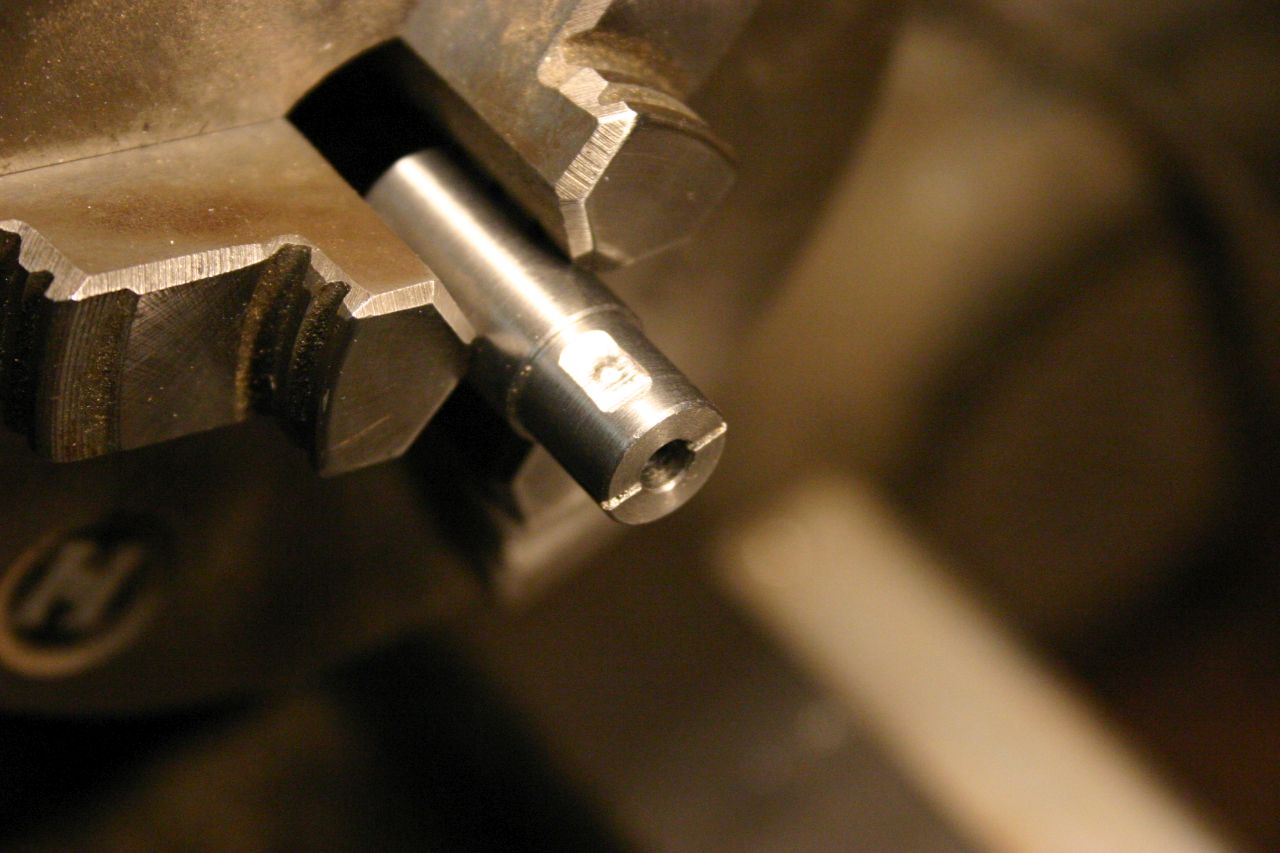
The Problem: Why Traditional Workholding Sometimes Fails
Before understanding the solution, we need to understand the real problems machinists face.
1. Workpiece Slippage During Heavy Cuts
When performing aggressive turning or roughing operations, standard chucks may fail to hold thin-wall or smooth surface components. This leads to:
- Dimensional inaccuracy
- Surface damage
- Tool wear
- Scrap generation
2. Runout and Poor Concentricity
If the gripping force is uneven, the workpiece may not sit perfectly centered. Even slight misalignment can create:
- Tolerance issues
- Imbalance in rotating parts
- Quality rejection
3. Damage to Delicate Components
Standard 3-jaw or 4-jaw chucks apply pressure at specific points. For soft materials like aluminum, brass, or finished parts, this can leave jaw marks.
4. Difficulty Holding Irregular Shapes
Components with special profiles, thin sections, or custom diameters are difficult to clamp with standard workholding systems.
These issues are common in tool rooms, production workshops, and automatic lathe operations.
The Solution: What is a Split Clamp?
A split clamp is a cylindrical clamping sleeve that is split along its length. When tightened, it compresses evenly around the workpiece, providing uniform 360-degree holding force.
Unlike traditional jaws, a split clamp distributes pressure evenly across the surface.
Key Design Characteristics
- Precision-machined internal bore
- Slotted or split outer body
- External tightening mechanism
- Uniform gripping surface
The concept is simple, but the performance benefits are significant.
How a Split Clamp Solves Machining Problems
Let’s revisit the earlier problems and see how a split clamp addresses them.
Uniform Clamping Pressure
Because the clamp compresses around the full circumference of the workpiece, it reduces distortion and improves concentricity.
Better Grip on Thin-Wall Parts
Split clamps are ideal for delicate tubes, bushings, and precision sleeves. The pressure is controlled and evenly distributed.
Reduced Surface Damage
Since there are no pointed jaw contacts, surface impressions are minimized.
Customization Possibilities
Split clamps can be machined for specific bore sizes, making them suitable for repetitive production.
Split Clamp vs Collet Systems: What’s the Difference?
Many users ask whether they should use split clamps or collet systems.
Here is a simplified comparison.
Split Clamp
- Custom bore possible
- Excellent for delicate or thin parts
- Even gripping force
- Often used in specialized applications
Collet Systems
- Standardized sizes available
- Quick changeover
- High repeatability
- Used widely in production environments
For example, 5C collets are highly standardized and commonly used in CNC and tool room applications where fast part change and repeat accuracy are required.
Similarly, precision clamping systems like ER collets are widely adopted for tool holding and light workholding tasks.
The choice depends on application complexity and flexibility requirements.
Where Are Split Clamps Commonly Used?
Split clamps are typically found in:
- Custom fixture setups
- Secondary machining operations
- Grinding setups
- Low-volume precision work
- Thin-wall turning operations
They are also used in combination with advanced holding systems such as Collet chucks to enhance accuracy.
In automatic lathe environments, especially those using Traub collets, split clamps may be designed for special gripping requirements when standard collets cannot handle unique geometries.
When Should You Choose a Split Clamp?
A split clamp is the right solution if:
- You machine delicate materials
- Surface finish must remain flawless
- You experience distortion from 3-jaw chucks
- You need custom bore holding
- Production volume is moderate but precision is critical
However, if your production involves frequent size changes, standardized collet systems like Din collets may provide more flexibility.
Technical Factors to Consider Before Choosing
Selecting the correct split clamp requires technical evaluation.
1. Material of Clamp
High-quality clamps are typically made from hardened alloy steel to resist deformation.
2. Bore Tolerance
The internal bore must match workpiece diameter precisely to prevent slippage.
3. Heat Treatment
Improper heat treatment can reduce gripping efficiency.
4. Machine Compatibility
Ensure the clamp fits your spindle or chuck system correctly.
Common Mistakes to Avoid
Even experienced machinists make errors when selecting workholding solutions.
- Choosing clamps without checking tolerance compatibility
- Ignoring runout measurement after installation
- Using soft material clamps for heavy cutting
- Over-tightening and causing distortion
Proper inspection and setup are critical.
Why Quality Manufacturing Matters in Workholding?
Whether you use split clamps or collet systems, manufacturing precision defines performance.
A reliable Collets Manufacturer understands:
- Heat treatment control
- Grinding tolerances
- Surface finish quality
- Dimensional accuracy
- Slot geometry optimization
Poorly manufactured clamps can result in vibration, early wear, and inconsistent holding force.
Investing in quality workholding tools reduces downtime and improves machining consistency.
Sikka Collets: Engineering Precision Beyond Standard Workholding
When discussing advanced workholding solutions, Sikka Collets has built a reputation for engineering reliability and dimensional precision.
Rather than simply producing standard components, their focus is on:
- Strict quality control processes
- High-grade alloy steel usage
- Advanced CNC grinding
- Custom manufacturing capabilities
- Long service life performance
They support industries such as automotive, aerospace components, electrical fittings, and precision engineering workshops.
Their expertise extends beyond standard collets to providing specialized solutions tailored for demanding production environments.
This engineering-first approach ensures that machinists receive consistent gripping force, minimal runout, and dependable durability.
Final Thoughts: Is a Split Clamp Right for You?
Split clamps are not a replacement for every collet system. Instead, they are a specialized solution for specific machining challenges.
Choose a split clamp when:
- Precision matters more than speed
- Surface protection is critical
- Custom bore holding is required
- Thin-wall components must remain distortion-free
For standardized production with frequent changeovers, traditional collet systems may be more practical. The key is evaluating your application carefully. The right workholding system increases productivity, improves finish quality, and reduces rejection rates — directly impacting profitability.