
CNC machining is built on precision, speed, and repeatability. While cutting tools often receive the most attention, there is one critical component that directly affects performance, accuracy, and tool life — the tool holder.
Many machine operators and production managers ask:
- What exactly is a tool holder?
- Why is it so important in CNC machining?
- How does it affect surface finish and tool life?
- Which type of tool holder should I choose?
This detailed comparison-style guide answers all these questions with practical insights based on real machining environments.
What Is a Tool Holder?
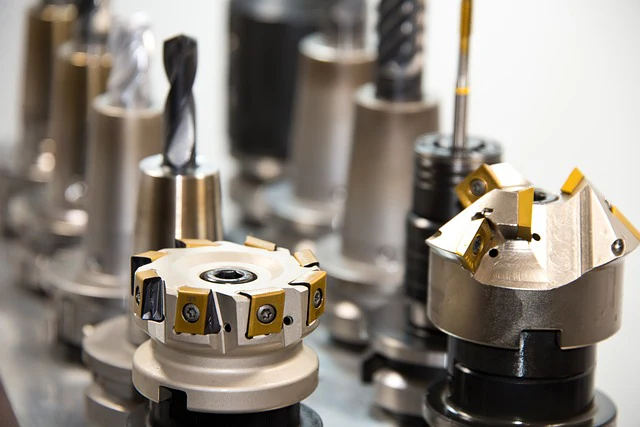
A tool holder is a mechanical device that securely holds a cutting tool in the spindle of a CNC machine. It acts as the connection between the machine spindle and the cutting tool.
In simple terms:
Spindle → Tool Holder → Cutting Tool → Workpiece
Without a properly designed tool holder, even the best cutting tool cannot perform accurately.
Why Tool Holders Are Essential in CNC Machining?
Tool holders are not just accessories. They directly influence:
- Dimensional accuracy
- Surface finish quality
- Tool life
- Machine spindle health
- Production efficiency
Let’s break this down further.
1. Accuracy and Runout Control
In CNC machining, even 0.01 mm deviation can cause rejection of parts.
A high-quality tool holder ensures:
- Proper concentricity
- Minimal runout
- Stable rotation at high RPM
Poor-quality holders increase vibration, which affects tolerances and leads to inconsistent production.
2. Stability at High Speeds
Modern CNC machines operate at very high spindle speeds. At these speeds:
- Imbalance causes vibration
- Vibration reduces surface finish quality
- Excess vibration damages spindle bearings
Precision-engineered holders maintain balance and stability even under heavy loads.
3. Tool Life Optimization
A properly clamped cutting tool lasts longer because:
- There is even clamping pressure
- Micro-movements are minimized
- Heat distribution is controlled
Improper clamping leads to tool slippage, uneven wear, and frequent tool replacement.
Types of Tool Holders Used in CNC Machining
Understanding different tool holder systems helps in selecting the right one for your application.
Collet-Based Tool Holders
These are among the most commonly used systems in CNC machining.
ER Collet System
The ER collets system is widely used for its flexibility and gripping range. ER collets can hold a range of tool diameters within a single collet size, making them ideal for workshops handling varied cutting tools.
Benefits:
- Wide clamping range
- Good concentricity
- Easy tool change
- Cost-effective
They are commonly paired with precision collet holders in milling and drilling operations.
Collet Chucks
Another popular workholding option is Collet chucks. These are designed to hold collets securely within the spindle taper.
They provide:
- Strong grip
- Reduced vibration
- Improved torque transmission
Collet chucks are often used in high-speed milling where balance and rigidity are critical.
5C Collet System
In certain lathe applications, especially tool room and precision setups, 5C collets are widely used. While traditionally associated with lathes, they are also integrated into specialized tool holding setups for indexing and secondary operations.
Their standardized design makes them versatile and easy to source.
DIN Standard Collets
For applications requiring strict dimensional compliance, Din collets follow German industrial standards. These are often used in environments where international quality compliance is necessary.
They offer:
- Precise dimensional accuracy
- Standardized interchangeability
- High reliability in industrial operations
Tool Holder vs. Direct Tool Clamping – A Comparison
Some operators may wonder whether direct clamping without a specialized holder is sufficient.
| Factor | With Tool Holder | Without Proper Holder |
| Accuracy | High | Inconsistent |
| Vibration | Minimal | High |
| Tool Life | Extended | Reduced |
| Surface Finish | Smooth | Rough |
| Machine Wear | Low | High |
This comparison clearly shows why tool holders are essential rather than optional.
How Tool Holders Impact Surface Finish?
Surface finish is influenced by:
- Radial runout
- Axial stability
- Vibration levels
- Tool rigidity
A balanced and rigid holder minimizes chatter marks. This is especially critical in industries like aerospace, medical components, and automotive precision parts.
Choosing the Right Tool Holder for Your Application
Before selecting a tool holder, consider:
- Machine spindle taper type (BT, CAT, HSK, etc.)
- Required RPM range
- Cutting tool diameter
- Application (milling, drilling, tapping)
- Material being machined
- Production volume
For high-volume CNC production, investing in precision holders reduces long-term operational costs.
The Importance of Quality Manufacturing
Tool holders must be manufactured with:
- Hardened alloy steel
- Precision grinding
- Dynamic balancing
- Strict tolerance control
Working with a trusted Collets Manufacturer ensures consistency and reliability in machining operations.
Low-grade holders may appear cost-effective initially but lead to:
- Frequent tool replacement
- Rejected parts
- Increased downtime
- Higher maintenance cost
Role of Tool Holders in Different CNC Operations
CNC Milling
Used for holding end mills, drills, and reamers with precision and stability.
CNC Turning
Tool holders secure inserts and turning tools to maintain exact cutting geometry.
Automatic Lathes
In cam-driven machines, systems similar to Traub collets are integrated into tooling setups for repetitive high-speed operations.
Why Sikka Collets Is a Trusted Name in Precision Tooling
When selecting precision tool holding systems, reliability and manufacturing standards matter. Sikka Collets has established itself as a dependable engineering brand known for its focus on dimensional accuracy and long-term durability.
Their approach emphasizes:
- Advanced heat treatment processes
- Precision slot geometry
- High concentric accuracy
- Strict quality inspection at every stage
- Durable material selection
Serving industries such as automotive, electrical fittings, aerospace components, and general engineering, Sikka Collets provides solutions that meet demanding machining environments.
Their commitment to engineering excellence ensures that CNC workshops receive tooling components that enhance performance rather than compromise it.
Common Questions About Tool Holders
Can a tool holder affect spindle life?
Yes. Poor balancing increases vibration, which damages spindle bearings over time.
How often should tool holders be inspected?
Regular inspection for wear, taper damage, and clamping force is recommended.
Is balancing important?
Absolutely. High-speed CNC applications require dynamically balanced holders.
Are all tool holders interchangeable?
No. Compatibility depends on spindle type and tool system.
Final Thoughts
A tool holder is not just a supporting component in CNC machining. It is a precision-critical element that directly impacts:
- Accuracy
- Productivity
- Tool life
- Machine health
- Operational cost
Choosing the right system — whether collet-based, standardized, or application-specific — ensures consistent machining performance. Investing in quality tool holders is an investment in long-term machining success.