
A collet may look like a simple clamping device, but it directly affects accuracy, finish quality, tool life, and operator safety. Many workshop issues—poor surface finish, vibration marks, tool breakage, or inconsistent dimensions—can often be traced back to a worn-out collet.
This blog explains when to change your collet, why timely replacement matters, and how to maintain safe, sharp machining results. Whether you run CNC machines, automatic lathes, or toolroom setups, understanding collet wear is essential for professional machining standards.
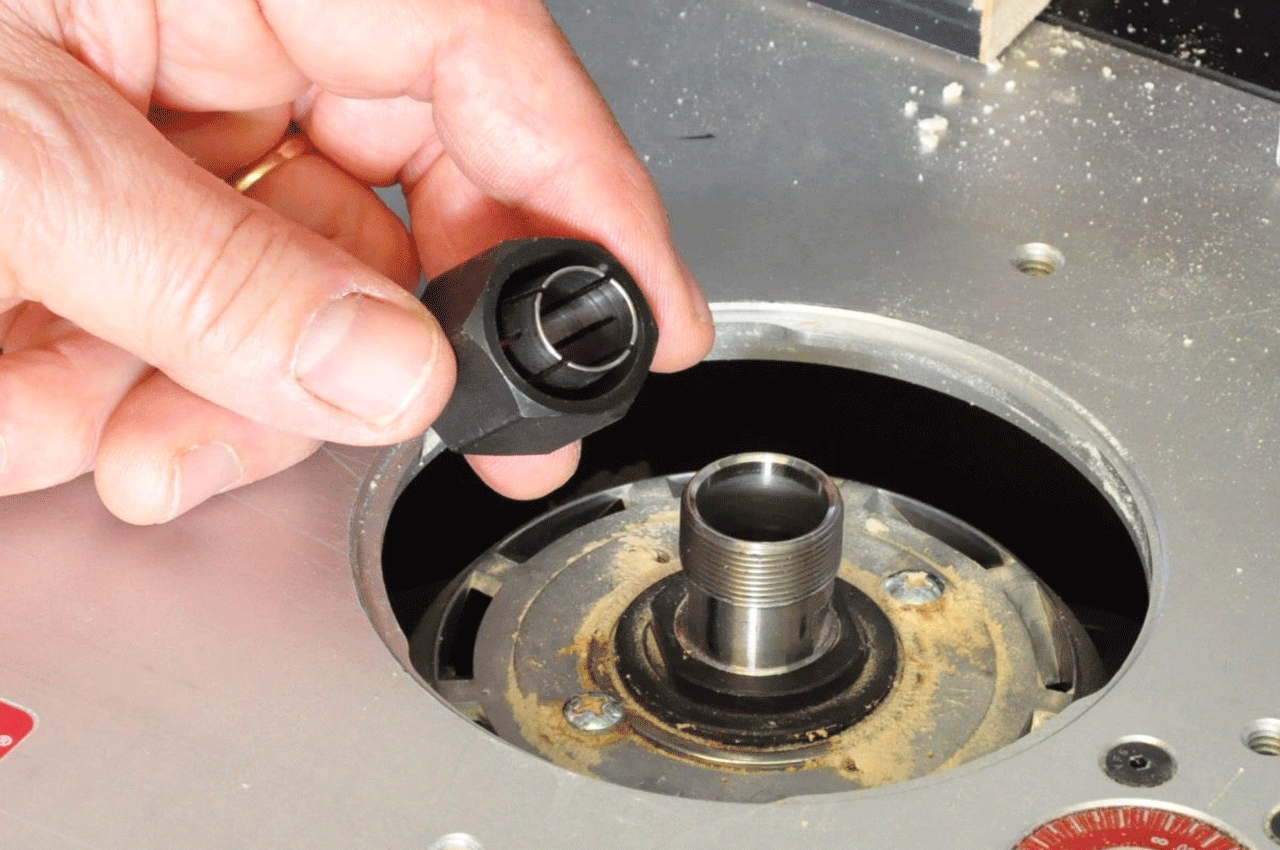
Why Collet Condition Matters More Than You Think
A collet holds the cutting tool or workpiece with uniform 360-degree pressure. When it is in perfect condition, it ensures:
- Accurate concentricity
- Stable gripping force
- Reduced vibration
- Better surface finish
- Extended tool life
However, once wear begins, gripping pressure becomes uneven. This leads to micro-movements during cutting, which affects dimensional accuracy and can even become a safety risk.
Even high-quality systems like ER collets depend on proper maintenance and timely replacement to deliver consistent performance.
Clear Signs It’s Time to Change Your Collet
Many operators continue using collets until a major problem occurs. Instead, look for these early warning signs.
1. Visible Wear and Surface Damage
Inspect the collet regularly. Replace it if you notice:
- Cracks near the slots
- Rust or corrosion
- Deformation at the nose
- Uneven clamping surfaces
- Burr formation
Even minor cracks can expand under high-speed rotation and create dangerous failures.
2. Increased Runout
Runout directly affects machining precision. If you observe:
- Irregular surface finish
- Out-of-round components
- Difficulty maintaining tolerance
It may indicate that the collet has lost its elasticity or internal alignment.
Using a dial indicator during setup helps detect abnormal runout early.
3. Loss of Clamping Force
Collets are designed to flex within a specific range. Over time, repeated tightening and loosening reduce their spring tension.
Symptoms include:
- Tool slipping during cutting
- Workpiece shifting under load
- Need for excessive tightening torque
Excessive tightening is a red flag. It not only damages the collet but can also damage your spindle or tool holder.
4. Poor Surface Finish
If your machining process suddenly produces chatter marks or rough finishes, and tooling is in good condition, check the collet.
Worn collets cause vibration, which affects:
- Thread cutting
- Fine finishing
- Precision boring
- Micro-machining operations
Surface finish quality is often the first operational signal of collet wear.
5. Frequent Tool Breakage
Unexpected tool breakage may result from:
- Inconsistent clamping pressure
- Micro-movements during cutting
- Off-center tool holding
A weak collet increases radial stress on cutting tools. Replacing the collet can often solve repeated tool failure issues.
How Long Does a Collet Last?
There is no universal lifespan. It depends on:
- Machine speed
- Cutting load
- Material being machined
- Frequency of tool changes
- Maintenance practices
In high-production environments, collets may need replacement sooner. In toolroom setups, they may last longer if handled carefully.
For example, shops using standardized systems such as 5C collets often maintain rotation cycles to track usage and ensure preventive replacement before failure.
Preventive Maintenance Tips to Extend Collet Life
Changing collets regularly is important—but maintaining them properly extends their lifespan significantly.
Clean Before Every Use
Dust, metal chips, and oil deposits reduce gripping efficiency. Always:
- Clean inside the collet
- Clean the taper of the holder
- Avoid compressed air that pushes debris inside
Clean contact surfaces improve clamping performance.
Avoid Over-Tightening
Applying excessive torque does not increase grip strength. It damages the elasticity of the collet and shortens its working life.
Follow manufacturer torque recommendations.
Store Properly
Store collets:
- In dry conditions
- In protective cases
- Away from humidity
Improper storage causes corrosion, which weakens structural integrity.
Rotate Usage
If your workshop uses multiple collets of the same size, rotate them systematically. This prevents uneven wear and ensures consistent performance across machines.
Safety Risks of Using Worn-Out Collets
Ignoring replacement can lead to serious consequences:
- Workpiece ejection
- Tool breakage at high RPM
- Damage to spindle bearings
- Production downtime
- Operator injury
Machining safety depends heavily on secure clamping. A compromised collet increases operational risk, especially in high-speed CNC applications.
Choosing Quality Matters from the Beginning
Not all collets are manufactured to the same tolerance standards. Selecting a reliable Collets Manufacturer ensures:
- Proper heat treatment
- Accurate slot geometry
- Controlled hardness
- Precision grinding
- Balanced design for high RPM
High-quality collets wear more predictably and provide longer service life, reducing emergency breakdowns.
How to Create a Collet Replacement Policy in Your Workshop?
Professional manufacturing units follow preventive maintenance policies. You can implement a simple system:
- Record installation date
- Track usage hours
- Monitor runout periodically
- Replace after defined cycles
- Maintain inspection logs
This proactive approach improves machine reliability and production quality.
Why Sikka Collets Is a Trusted Choice in Precision Tooling?
In the world of precision engineering, consistency is everything. Sikka Collets has built its reputation by focusing on dimensional accuracy, durability, and real-world machining performance.
With advanced manufacturing processes and strict quality inspection, the company supplies collets that meet demanding industrial applications across automotive, electrical, aerospace, and general engineering sectors.
What sets them apart is their attention to:
- Accurate concentricity control
- High-grade alloy steel usage
- Reliable clamping strength
- Long operational life
Their technical expertise helps customers reduce tool wear, improve finish quality, and enhance overall machining safety.
Our Address: 31/3F, Gali Number 1, Anand Parbat Industrial Area, Anand Parbat, Delhi, 110007 https://maps.app.goo.gl/jyTsiV57mJWgsh3k6
Contact Details: 09810046365
Final Thoughts
Knowing when to change your collet is not just about maintenance—it is about safety, precision, and production efficiency.
Replace your collet if you notice:
- Increased runout
- Reduced clamping strength
- Surface damage
- Poor finish quality
- Frequent tool breakage
Timely replacement prevents accidents, protects machinery, and ensures sharp, accurate machining results. A small component like a collet can make a major difference in your manufacturing performance.